
As a seasoned Reiki Master with extensive experience, including teaching meditation and Nada Yoga in an ashram in Rishikesh, India, Psychic Raina understands the profound power of collective energy. Whether you are a new Reiki practitioner or a seasoned Reiki Master, practicing Reiki on your own can feel isolating. Facilitating a Reiki Healing Circle offers a deeply enriching way to add a new and exciting dimension to your Reiki Practice, fostering community and collective healing.
Inspired by the universal power of collective healing observed in ancient traditions, a Reiki Healing Circle creates a unique space for shared spiritual growth. This guide outlines how to successfully form and host your own Reiki Healing Circle, allowing you and others to benefit from the amplified energy and support of a dedicated group.
The Power and Purpose of a Reiki Healing Circle
Reiki Healing Circles and practice groups have been an especially important aspect of Reiki training from the start. They are an effective way for new and more experienced Reiki practitioners to hone their Reiki skills, learn from others, and collectively send much-needed Reiki healing energy to whomever and wherever it is needed most. These group reiki sessions create a powerful container for spiritual development and mutual support.
What is the Value of a Reiki Healing Circle?
One of the requirements for new students of Reiki between the different Reiki initiation levels is to practice Reiki both on themselves and others. Reiki Circles provide a dedicated place and time for this essential practice. Furthermore, being part of a group of like-minded individuals with the intention to heal themselves, others, and the planet is a beautiful way to build connections and lasting friendships with those who share the desire to be of service to the world.
For those who have practiced Reiki for a long time, there are many "a-ha" moments of discovery, both in understanding the practice and in how one's connection to their true Divine Nature and intuition expands and grows. The Reiki Healing Circle is a sacred space to share and explore these revelations. Facilitating a group reiki session amplifies these benefits. If you teach Reiki, offering your own Reiki Healing Circle provides your Reiki students a place to gather and strengthen their Reiki knowledge and experience. It can also help bring new students and those interested in Reiki to you, helping to spread the gift of Reiki to even more people.
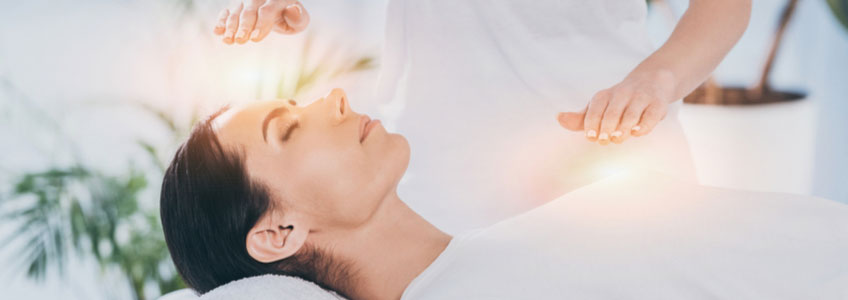
Reiki Shares vs. Reiki Healing Circles: Understanding the Nuances
Within the Reiki community, you might encounter terms like "Reiki share" or "Reiki share circle" alongside "Reiki Healing Circle." While both involve group Reiki practice, there are subtle distinctions that are helpful to understand.
What is a Reiki Share?
A Reiki share, sometimes called a Reiki exchange or group reiki session, typically focuses on practitioners giving and receiving hands-on Reiki treatments from each other. The primary goal is often for practitioners to practice their skills, experience receiving Reiki from multiple people, and deepen their understanding of the energy flow. It is a more structured practice session, often less focused on a collective healing intention for others, and more on individual practice and mutual support among practitioners. Often, a reiki share circle involves rotating practitioners, allowing everyone to both give and receive healing.
In contrast, a Reiki Healing Circle often has a broader focus. While participants may still give and receive Reiki, there is often a stronger emphasis on setting a collective intention for healing, whether for specific individuals, global events, or the environment. It can be more open to individuals who are not yet practitioners, focusing on the experience of receiving group healing rather than solely on practitioner skill development. Both are invaluable forms of group reiki, promoting well-being and connection.
How to Host a Reiki Healing Circle: A Step-by-Step Guide
There is no single correct way to host a Reiki Healing Circle. Embrace creativity, positivity, and fun. The primary intention is to bring people together, whether in person or online, for collective well-being. Creating a sacred, supportive, judgment-free, and enjoyable environment ensures participants return and amplifies the group's healing energy. This comprehensive 10-step guide offers a structured approach to hosting your own successful Reiki Healing Circle.
1. How to Choose Your Location and Schedule for a Reiki Healing Circle
Decide on the location and timing for your Reiki Healing Circle event. Social media can be a powerful tool to announce dates and times, as well as to attract new members. For in-person gatherings, consider a space close to you such as your home, a community center, or a hotel conference room. If you host online, secure a dedicated virtual platform, like a Zoom room, where participants can interact live.
2. Building and Communicating with Your Reiki Circle Members
Maintain a list of members for your circle and communicate regularly. Use texts or posts to inform them of upcoming circles and, if appropriate, share useful information on healing, the history of Reiki, healing requests, or other relevant insights. Consistent communication helps foster a sense of community and keeps engagement high.
3. Preparing Your Space and Essentials for an In-Person Circle
For in-person meetings, encourage participants to bring blankets, yoga mats, or massage tables if they are comfortable doing so. It is helpful to determine what each person might bring beforehand and create a checklist. As the host, ensure you have refreshments such as water and tea. You might also invite members to take turns bringing healthy snacks. Crucially, always have tissues and cleaning supplies readily available. While global health concerns evolve, maintaining a safe environment is paramount. Always respect personal comfort regarding masks. Keep in mind that emotional releases or even sneezes can occur during healing sessions, making extra tissues a practical necessity.
4. Creating a Sacred and Energetically Clean Healing Environment
Cultivate a healing environment and a sacred space. This often involves soothing lighting and background sounds, such as meditation music or nature sounds, if you have control over the ambiance. You can enhance the mood with elements like fresh flowers or incense. Ensure the physical space is clean, tidy, and free from clutter. For an online Reiki healing circle, advise participants to have water and tissues and to be in a comfortable, quiet space. A soothing virtual background can contribute to the atmosphere, or at least blur distracting elements. To energetically cleanse the space before a group reiki session, consider using smudging with sage or palo santo, or sound healing tools like singing bowls or chimes, to clear stagnant energy and invite positive vibrations. This practice establishes a clear and sacred energetic container for the healing work to unfold.
Invite attendees to arrive early or allocate the first few minutes for greetings and setting up, allowing everyone to settle before the session begins. This ensures a smooth start without energy disruption. Additionally, while cell phones are vital tools, ensure they are muted or, ideally, turned off during the session. An unexpected ringtone can significantly disrupt the tranquil energy of a group reiki session.
5. How to Start Your Reiki Healing Circle: Intention and Presence
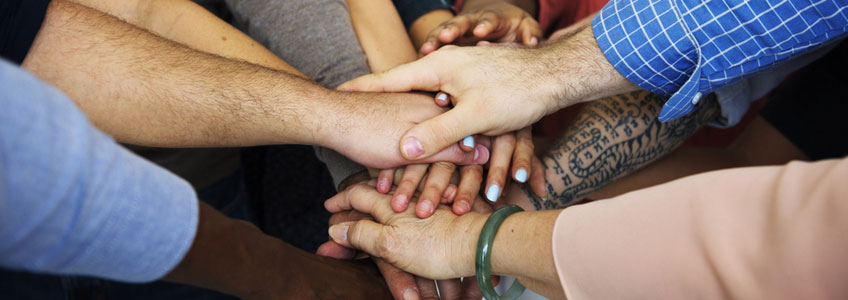
Begin your Reiki Healing Circle by introducing yourself and warmly welcoming everyone. Especially during the first session or when new members join, allocate time for introductions, allowing participants to share their reasons for attending. For in-person circles, form a physical circle and, if comfortable, hold hands. Ask everyone to close their eyes for a minute, breathe deeply, and synchronize their energy, releasing daily thoughts and worries. Encourage them to scan their bodies, let go of stress, and set an intention to be present and open to the flow of Reiki energy. Invite participants to bring their hands to a prayer position over their heart and silently set personal intentions. As the host, you can also set a collective intention for the group reiki session.
A moment of gratitude is a powerful way to start, asking each person to silently reflect on three things they are grateful for in that moment. Chanting three extended "Oms" or a positive affirmation, followed by listening to the collective breathing, is a wonderful way to calm and center the energy. Once everyone feels present and aligned, the session can truly begin. For an online reiki circle, the process is similar, though participants will visualize holding hands and connecting energetically rather than physically.
6. Setting Guidelines and Understanding Reiki Principles
Clearly outline the plan and guidelines for the group. Explain the session's start, its duration, whether there will be sharing afterward, and the length of any breaks. Advise participants to maintain the energetic mood during breaks to preserve flow. This structure helps with time management, ensuring everyone has the opportunity to give and receive Reiki. Allocate specific times for sending distance healing to individuals, animals, or even the environment and situations that could benefit from alignment. Document the order of activities to stay on track.
Establishing clear boundaries for the group is particularly important. Emphasize avoiding negative language, judgment, and rushing. This is also an opportune moment to recite and invite others to repeat the Five Reiki Principles:
The Five Reiki Principles
-
Just for today, I will not worry.
-
Just for today, I will not be angry.
-
Just for today, I will do my work honestly.
-
Just for today, I will give thanks for my many blessings.
-
Just for today, I will be kind to my neighbor and every living thing.
Remind participants to adhere to the core Reiki guidelines:
-
Always ask for permission before touching and giving Reiki energy.
-
Inquire beforehand about any areas where a recipient feels uncomfortable being touched, such as the neck or lower belly. Always respect their wishes without question.
You may consider integrating supplementary modalities like crystals or specific meditations. However, ensure these enhancements genuinely complement and uplift the core Reiki practice. The more clarity participants have regarding the schedule and boundaries, the safer and more joyful they will feel in sharing, giving, and receiving Reiki. Avoid putting anyone on the spot. Some individuals may feel anxious about speaking or sharing publicly, and their presence alone might be a significant personal victory. Always invite participation; if someone declines, acknowledge their choice and suggest they observe, act as a timekeeper, or assist with practical needs. These are all valuable contributions to the group reiki experience.
7. Facilitating Hands-On Reiki Sessions in a Group Setting
If your group is large enough, divide participants into smaller groups to facilitate hands-on Reiki sessions. Determine who will give and who will receive Reiki, and in what order. Keep a written record to track rotations. Set a time limit for each person's treatment, using a gentle alarm on your phone if necessary (this is one of the rare instances where a cell phone might be used during the session). To maintain flow and energy, adhere strictly to these times. For instance, a common practice is 15-minute sessions per person, though longer durations may be agreed upon for specific needs, such as for an extremely ill individual. Within each group, designate someone (often the person positioned at the recipient's head) to indicate when to change hand positions or to guide others based on intuition. If sufficient participants are available, appoint a timekeeper to announce intervals like 5, 10, and 15 minutes, ensuring a fair distribution of healing time in this group reiki session.
8. Working Together: Experienced and Inexperienced Practitioners
As participants begin giving Reiki to each other, it is beneficial to pair experienced practitioners with those who are newer to ensure guidance on hand positions, intention setting, and working with symbols. It is vital to observe the practice of not sharing Reiki symbols with those not yet attuned to certain levels. A Level 1 practitioner, for instance, can give Reiki effectively without knowing symbols. A Level 2 practitioner will know most symbols, while a Reiki Master is attuned to all. If an individual not attuned to Level 1 is present, they should primarily receive Reiki and can assist with timekeeping after their session. This approach respects the tradition and lineage of Reiki, demonstrating integrity in practice. This also highlights a key professional pattern: mutual respect for different levels of training ensures a safe and effective group reiki environment.
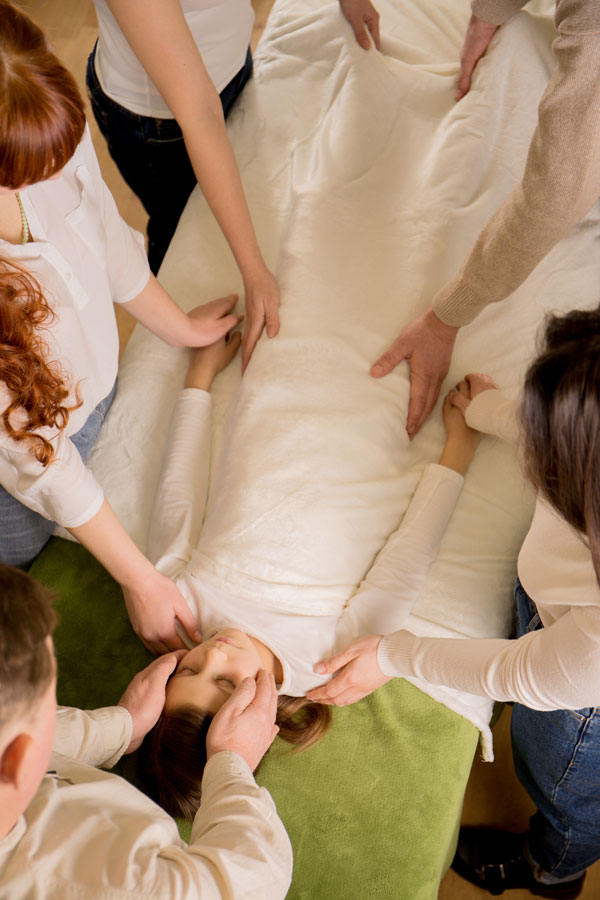
In the spirit of self-care, remember that healers also need to receive healing. Ensure your Reiki Healing Circle provides opportunities for others to direct healing energy towards you. As is often said, "Put on your own oxygen mask first before helping others." This principle applies deeply to those who dedicate themselves to facilitating healing for others.
9. Cultivating a Positive and Uplifting Reiki Healing Circle
Strive to create an uplifting, positive environment filled with smiles. The host sets the tone for the atmosphere. While serenity is often key, don't shy away from creativity and fun! If upbeat music resonates with the group, play it. This, however, is not the time for idle chatter or phone checking. Gently remind everyone to stay present and keep phones on silent. An environment brimming with smiles and love enhances the healing experience. You can make the event playful, perhaps by switching groups like musical chairs, or having theme days where everyone wears tie-dye or a funny hat. Embrace laughter and joy, recognizing that happiness itself is a powerful healing medicine.
On a more sensitive note, it is essential to be cognizant that vulnerabilities can emerge for recipients during healing. Holding a space of calm, loving attention is deeply healing. If someone experiences an emotional release, such as crying, offer them a tissue and gently ask if they wish to continue. This is not the time for discussion or questioning. Allow tears to flow as a natural part of release and healing. Use your best judgment in these moments; the person might need to step away for water and a quiet rest. Whatever emotional state becomes active needs to be honored. However, while someone is in the process of trauma release, avoid overwhelming them with questions or unsolicited advice. Your role is to hold sacred space to help them calm down. If significant distress occurs, a designated person can privately attend to them while the rest of the group continues. A core principle in spiritual practice is "where attention goes, energy flows." The most constructive approach is to acknowledge the release without intensely focusing on it. Instruct the person to breathe, calm down, and rest. If the release is profound, it is advisable to consider if returning to the session immediately is beneficial, understanding that the Reiki energy is actively working for release and integration.
10. Sharing Experiences, Post-Session Reflection, and Closing the Circle
If time permits, invite participants to share their experiences and insights. Conclude the session with a prayer of gratitude and a unifying sound, such as the Om mantra or a simple "Amen," aligning with the group's belief systems. Formally announce the Reiki Healing Circle closed and thank everyone for their participation, then share details for the next event. Encourage mutual help in tidying up the space. For ongoing integration, consider encouraging post-session reflection. This might involve participants journaling about their experiences, meditating on insights gained, or simply taking quiet time to process the energetic shifts. Providing simple prompts, such as "What new awareness did you gain?" or "How do you feel different energetically?", can support deeper integration of the healing journey.
Incorporating Advanced Reiki Techniques
For qualified practitioners, a Reiki Healing Circle can also be an opportunity to explore and incorporate more advanced Reiki techniques, further enriching the group reiki experience. While this guide focuses on general hosting, options exist for those with higher attunements:
-
Group Attunements: For Reiki Masters, offering group attunements (with proper preparation and consent) can strengthen the energetic connection among practitioners.
-
Hara-Focused Practice: Guiding participants in HARA-focused meditations can deepen grounding and energetic stability.
-
Chanting Symbols/Mantras: Incorporating the chanting of Reiki symbols or specific mantras can amplify the healing vibrations.
-
Advanced Visualizations: Leading more complex visualizations that integrate specific symbols or healing intentions can be powerful.
Always ensure that any advanced techniques introduced are appropriate for the collective skill level of the participants and are explained clearly to maintain a safe and inclusive environment. This adds another layer of depth for experienced attendees and can introduce new concepts to others in a supportive group setting.
Hosting a Virtual/Online Reiki Healing Circle
The rise of digital connectivity has made online Reiki Healing Circles increasingly popular, offering accessibility and global reach. Hosting a virtual circle requires specific considerations to ensure a powerful and connected experience for all participants.
Platform Choice: Select a reliable video conferencing platform that allows for clear audio and video. Ensure participants can easily join and interact, ideally with a chat function for sharing. It's often beneficial to use a platform that allows for breakout rooms if you plan smaller group healing sessions, much like in-person circles.
Encouraging Virtual Sacred Space: Guide participants to create their own sacred space at home. Encourage them to find a quiet, comfortable spot, free from distractions. They might light a candle, play soft music, or arrange crystals to enhance their personal environment. Suggesting these practices helps bridge the physical distance with intentional energy.
Facilitating Distance Healing: Explicitly mention how distance healing works in a virtual setting. Reiki practitioners can use distance healing symbols, such as Hon Sha Ze Sho Nen, to bridge the geographical gap and send Reiki energy to each participant. Explain that the energetic connection is not limited by physical presence and can be powerfully facilitated through intention and visualization. Encourage participants to visualize themselves in a shared energetic circle.
Managing Virtual Group Dynamics: While online, the principles of a physical circle still apply. Encourage active listening, respectful sharing, and mindful presence. Remind participants to mute their microphones when not speaking to minimize background noise. Consider having a co-host to manage technical aspects, allowing the main host to focus on facilitating the healing session and energetic flow. This approach ensures that even a virtual group reiki session feels cohesive and deeply connected.
Inspiring Themes for Your Reiki Healing Circle
To deepen the experience and provide a focal point, consider introducing specific themes or intentions for your Reiki Healing Circles. This can help participants connect with the healing energy on a more profound and personalized level, fostering diverse intentions and attracting various individuals to your group reiki offerings. Here are some ideas:
-
Alleviating Anxiety: Focus the group's intention on peace, calm, and releasing stress.
-
Awakening Personal Power: Encourage participants to connect with their inner strength and confidence.
-
Inner Child Healing: Dedicate the session to nurturing and healing past emotional wounds.
-
Self-Love and Acceptance: Cultivate an atmosphere of unconditional love and self-compassion.
-
Chakra Balancing: Guide participants through visualizations and intentions for aligning their energy centers.
-
Grief Support: Create a gentle space for processing loss and finding solace.
-
Reiki for Caregivers: Offer restorative energy for those who dedicate themselves to caring for others.
-
Manifesting Intentions: Focus collective energy on bringing specific goals or desires into reality.
-
Connecting with Spirit Guides: Facilitate a space for participants to deepen their connection with their spiritual support system.
These themes provide a rich framework for deeper exploration and make each Reiki Healing Circle a unique and impactful experience.
Tailoring Your Reiki Circle: Special Considerations for Different Groups
A significant benefit of a Reiki Healing Circle is its adaptability. You can tailor your group reiki sessions to serve specific populations or address particular needs, expanding its utility and appeal. This demonstrates a deeper understanding of Reiki's versatility in a group setting. For instance:
-
Reiki Circles for Parents and Children: Focus on gentle, playful energy exchanges, promoting calm and connection within families.
-
Circles for Grief Support: Offer a compassionate space for individuals experiencing loss, emphasizing comfort and emotional release without judgment.
-
Reiki for Caregivers: Provide much-needed restorative energy for those who often pour themselves into caring for others, helping to prevent burnout.
-
Circles for Specific Health Conditions: (Always with appropriate medical advice) Offer supportive energy for individuals managing chronic conditions, focusing on relaxation and well-being.
By considering the unique needs of different groups, you can make your Reiki Healing Circle a powerful and inclusive resource in your community.
The Energetic Responsibility of the Reiki Circle Host
Beyond organizational duties, the host of a Reiki Healing Circle carries a significant energetic responsibility. The host's personal practice, clear intention, and grounded energetic state profoundly influence the circle's effectiveness and overall atmosphere. A host who is centered and calm helps to anchor the group's energy, creating a stronger and more cohesive field for healing. It's not just about managing logistics; it's about being an energetic beacon for the group. Regular self-Reiki practice and conscious intention setting before each group reiki session are recognized best practices for maintaining this vital energetic balance.
Here's what matters most: forming and hosting your own Reiki Healing Circle creates a truly beautiful environment where individuals come together with the shared intention of healing and service. The bonds forged within these group reiki sessions deepen community and bring profound happiness and joy. This is your opportunity to facilitate meaningful connections in your life and the lives of those who join you. Ultimately, Reiki is about healing, connection, and Oneness. Embrace the journey of shared energy and collective well-being!
Frequently Asked Questions About Reiki Healing Circles
What is the difference between a Reiki healing circle and a Reiki share?
A Reiki Healing Circle often focuses on collective intention setting for healing individuals, global issues, or the environment, and may include non-practitioners. A Reiki share, or group reiki session, primarily involves Reiki practitioners giving and receiving hands-on treatments to practice their skills and deepen their experience with the energy, usually less focused on a broader collective intention.
How long should a Reiki healing circle last?
A typical Reiki healing circle often lasts between 2 to 3 hours, allowing enough time for introductions, intention setting, giving and receiving Reiki, sharing experiences, and closing. Individual treatment sessions within the circle are usually around 15 minutes per person, ensuring everyone has an opportunity to participate.
Do I need to be a Reiki practitioner to join a Reiki healing circle?
No, you do not always need to be a certified Reiki practitioner to join a Reiki healing circle. Many circles welcome individuals who are new to Reiki, offering them an opportunity to experience group healing and connect with the energy. If you are not attuned, you would typically receive Reiki rather than give it, while still contributing to the collective energy.
Can I host a virtual or online Reiki healing circle?
Yes, hosting a virtual or online Reiki Healing Circle is highly effective and increasingly common. Using reliable video conferencing platforms, you can guide participants to create sacred spaces at home, facilitate distance healing through intention and visualization (including distance symbols like Hon Sha Ze Sho Nen), and manage virtual group dynamics to create a connected and powerful experience.
What are some common themes for a Reiki healing circle?
Popular themes for a Reiki Healing Circle include alleviating anxiety, awakening personal power, inner child healing, cultivating self-love and acceptance, chakra balancing, grief support, and restorative sessions for caregivers. These themes provide focused intentions that can deepen the healing experience for participants.
Happy Healing!
 Get a Reading with Raina x3342
Psychic Raina clairvoyant, intuitive, certified medium and Reiki Master. Raina currently lives in an ashram in the Holy City of Rishikesh in the laps of Himalayas on the banks of the Sacred Ganges Rivers where she teaches mediation and nada yoga. Her days include teaching, spiritual study, feeding street animals as well as participating in ashram’s UN backed initiatives towards sustainable water, sanitation & hygiene as well as educational programs to provide to help marginalized women and girls.
