
Exploring the Spiritual Meaning of St. Patrick's Day
Date 2/19/2026
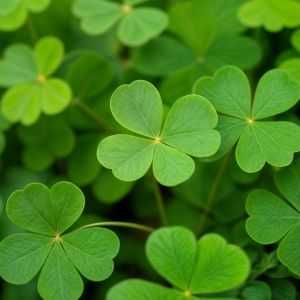
Recognized spiritual experts agree that St. Patrick's Day is much more than green attire and lively parades. This cherished annual celebration carries a profound spiritual meaning, inviting reflection on faith, resilience, and personal transformation. For many, the holiday appears as a lively gathering and cheerful tradition, but its deeper roots offer valuable insights into history, faith, and symbolism. Who was the influential figure behind this famous spring holiday? What is his unique connection to shamrocks and the color green? St. Patrick, and the observances surrounding him, extend beyond a simple parade or a reason to raise a glass with "Sláinte." His enduring legacy profoundly shaped Ireland's spiritual landscape, influencing beliefs in ways still evident today.
At its core, this March feast day honors a man who dedicated his existence to sharing his spiritual beliefs, overcoming remarkable adversity throughout an inspiring journey. The day is also rich with symbolism, like the ever-present shamrock, offering opportunities for deep reflection and reverence. This article explores the true St. Patrick's Day spiritual meaning, revealing the profound religious and spiritual significance behind the man, the holiday, and its most recognizable emblems. It also provides practical ways to infuse celebrations with a deeper sense of purpose and meaning, honoring both the cultural and spiritual dimensions of this beloved event.

Unveiling the Legacy: Who Was Saint Patrick?
The story of Saint Patrick, a narrative rich with faith, resilience, and profound personal transformation, began in the late 4th or 5th century CE. As a teenager, he faced capture, transport to Ireland, and enslavement for several arduous years. During these challenging times, St. Patrick found solace and strength in prayer, deepening his spiritual connection to navigate the darkness. This period of intense hardship, far from breaking him, became a crucible for his profound spiritual awakening. St. Patrick eventually escaped and reunited with his family, yet he later felt a compelling call to return to Ireland, not as a former captive, but as a resolute missionary, dedicated to spreading Christianity. Through his powerful example, his teachings, committed service, and deep devotion, St. Patrick played an instrumental role in shaping Ireland's religious identity. His efforts converted a significant portion of the island to Christianity, and his legacy endures in historical accounts and cultural celebrations globally. This demonstrates how moments of extreme difficulty can often become catalysts for a person's most significant spiritual mission.
From Captivity to Calling: What Shaped Saint Patrick's Journey?
Little is known of St. Patrick’s earliest days. Historians estimate his birth occurred somewhere in the late 4th to early 5th centuries CE. While his exact birth date remains a mystery, many sources suggest it was around 386 CE in Roman Britain, a region then under Roman rule. What transpired next, however, truly defines his extraordinary life.
Resilience in Adversity:
His life took an abrupt and dramatic turn at just 16 years old when Irish raiders kidnapped him, took him to Ireland, and sold him into slavery. For the grueling years that followed, he was forced to work as a shepherd, enduring isolation and extreme hardship in the untamed Irish countryside. Yet, during this period of suffering, he experienced a deep spiritual awakening. His burgeoning spiritual beliefs sustained him. St. Patrick intensified his prayer life, developed an unwavering conviction in divine purpose for his life, and cultivated immense spiritual resilience.
Unwavering Faith and Divine Purpose:
Historical accounts suggest St. Patrick experienced a vision in which a divine voice spoke to him in a dream, urging him to escape. Following this profound spiritual encounter, he made a daring escape and embarked on a perilous journey to secure his freedom, eventually reuniting with his family. His spiritual faith remained unshaken.
However, his story did not conclude there. Despite the profound suffering he had endured in Ireland, St. Patrick felt an undeniable, spiritual calling to return. This time, his purpose was not servitude, but missionary work. He spent years earnestly studying Christian teachings, becoming a priest and later a bishop, before undertaking his life's most significant mission: bringing Christianity to Ireland and sharing the message of Christ with the very people who had once held him captive. This commitment exemplifies finding purpose through hardship, a universal spiritual principle.
Personal Transformation:
St. Patrick’s remarkable transformation, from a captive teenager to a revered spiritual leader, stands as a beautiful example of profound faith, perseverance, and forgiveness. Rather than allowing adversity to define or defeat him, he chose to triumph through steadfast resilience and devotion. St. Patrick embraced hardship as an integral part of his greater spiritual purpose, utilizing it to discover his divine calling. His journey powerfully demonstrates how an inner conviction can overcome significant challenges, showing that even the most difficult experiences can catalyze profound personal growth and lasting change. This is a powerful lesson for anyone on their own spiritual journey.
How Did Saint Patrick Bring Christianity to Ireland?
His return to Ireland was driven not by vengeance, but by a clear spiritual purpose. Instead of dwelling on past suffering and allowing it to foster bitterness towards the Irish people, St. Patrick viewed his past as essential to his divine mission. He held a steadfast belief that he had been divinely chosen to introduce Christianity to the Irish populace. With a heart brimming with spiritual faith, he embarked on his mission.
Bridging Beliefs:
At that historical juncture, Ireland was far from the Christian society St. Patrick had known under Roman rule. The country was deeply rooted in indigenous pagan beliefs and a vibrant nature-based spirituality, often referred to as Celtic spirituality. St. Patrick, keenly observing the strength of these existing beliefs, chose not to reject these practices outright. Instead, he adopted an ingenious approach that allowed Christianity to flourish organically, resonating deeply with the Irish people. He skillfully adapted their familiar symbols and traditions, repurposing them to illuminate Christian principles. The most celebrated instance involves the shamrock, often known as the three-leaf clover, which he famously used to elucidate the concept of the Holy Trinity. St. Patrick also demonstrated astute wisdom by engaging directly with local chieftains, securing their consent to preach and to establish vital churches. This strategic integration is a hallmark of successful spiritual outreach.
Triumph Over Obstacles:
Despite his innovative approach, St. Patrick encountered significant challenges. Converting an entire nation proved to be no small feat, particularly one with such deeply ingrained spiritual convictions. St. Patrick faced intense resistance, even threats against his life. However, his devotion to his spiritual calling never wavered. He persistently carried out the work he felt destined to do. Over time, his influence expanded dramatically. Ultimately, St. Patrick’s extraordinary efforts culminated in the establishment of churches, monasteries, and schools, fundamentally solidifying Catholic Christianity in Ireland. His dedication demonstrates the power of inner conviction in achieving a spiritual mission.
The "Snakes" and Spiritual Transformation: What Does it Symbolize?
Popular legend attributes to Saint Patrick the feat of driving all snakes out of Ireland. While the island's geological history indicates snakes were never native to Ireland, this enduring tale holds profound spiritual meaning. Experts widely interpret the "snakes" as a powerful metaphor for the eradication of paganism and pre-Christian spiritual practices from the island. This narrative symbolizes the triumph of Christian faith, bringing spiritual light over what was perceived as darkness or older, nature-based beliefs. It represents a spiritual transformation, where ancient practices gave way to the new Christian doctrine. The story of driving out the snakes is a vivid illustration of how deeply rooted spiritual concepts can be symbolically reinterpreted to mark a significant shift in a culture's spiritual identity, aligning with a widespread pattern observed in the conversion of various regions.
An Enduring Legacy:
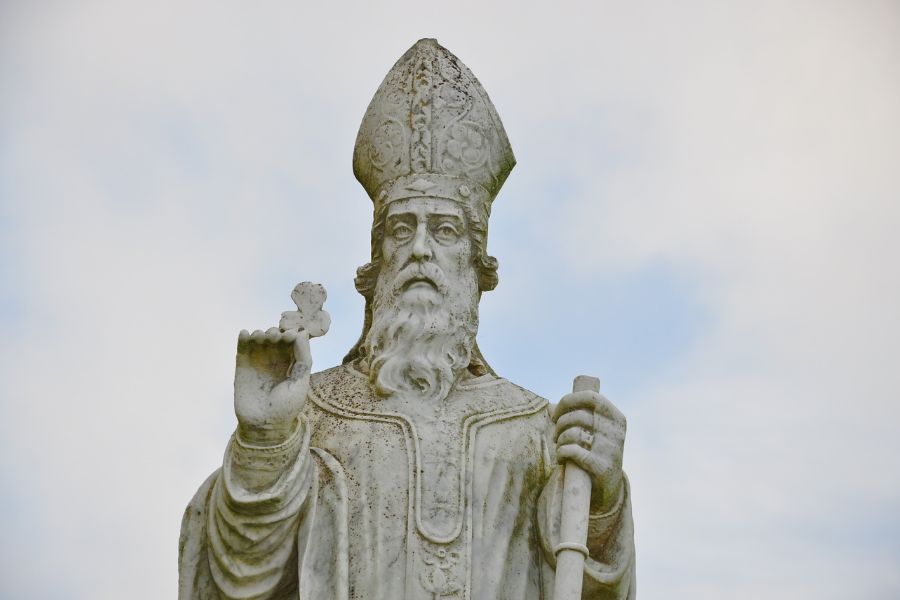
Centuries after his passing, St. Patrick’s legacy remains profoundly impactful. Today, he continues to be one of the most revered figures in Irish history. The patron saint of Ireland stands as an enduring symbol of faith, devotion, and transformative spiritual purpose.
Unlocking Deeper Meaning: Exploring St. Patrick's Spiritual Symbols
While many are familiar with the modern symbols of St. Patrick’s Day, there exists a significant distinction between the green clothing and shamrock jewelry donned for parties and the profound spiritual symbols historically linked to this observance. St. Patrick’s Day transcends a mere celebration of Irish culture, embodying a day rich with spiritual meaning and profound significance. From the widely recognized shamrock to the powerful words of St. Patrick’s Breastplate, many traditions associated with this holiday are rooted in spiritual faith, divine protection, and guidance, mirroring St. Patrick’s own journey. While contemporary celebrations often emphasize merriment and festivities, these spiritual symbols provide a deeper connection to the true legacy of Ireland’s patron saint, enabling a celebration imbued with renewed meaning and appreciation.
The Shamrock: A Timeless Symbol of the Holy Trinity
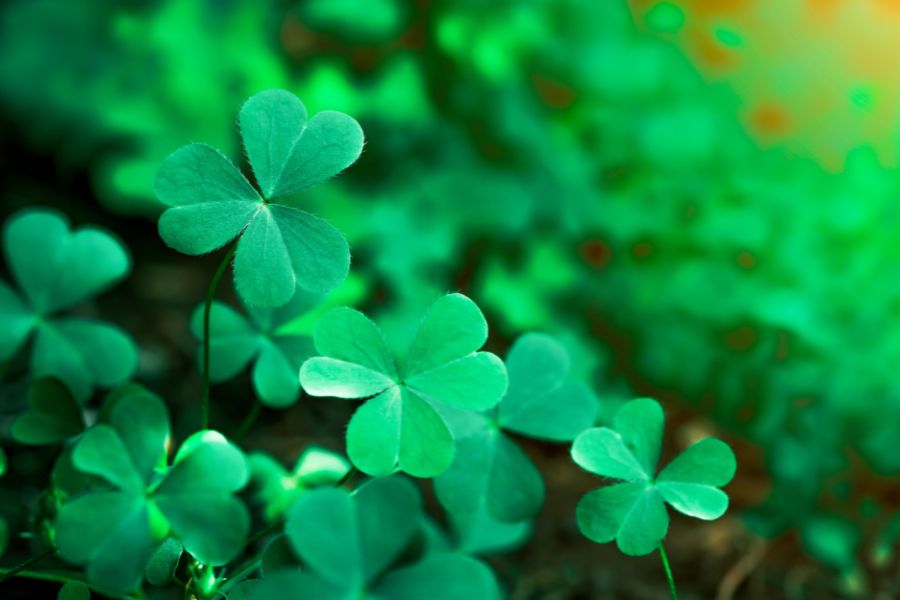
Among the numerous images linked to St. Patrick’s Day, ranging from lucky rainbows to mythical leprechauns, none is more iconic than the three-leaf shamrock. Beyond its role in expressing Irish pride and national celebration, the shamrock carries a deep spiritual meaning directly traceable to St. Patrick himself. Put simply, this symbol became a powerful teaching tool. Before St. Patrick’s missionary endeavors across the country, the people of Ireland adhered to pagan beliefs, particularly a spirituality deeply rooted in nature. Recognizing this, St. Patrick cleverly utilized familiar, nature-based symbols to elucidate Christian doctrines, with the shamrock being a prime example. According to both Irish lore and Christian tradition, he employed the shamrock to explain the intricate concept of the Holy Trinity: the Father, the Son, and the Holy Spirit. These are three distinct entities, yet profoundly united as one. Just as the shamrock features three leaves connected by a single stem, representing the Father, Son, and Holy Spirit, the Trinity symbolizes three divine aspects of God, unique yet inseparable. This simple, powerful visual aid effectively helped the saint bridge the gap between Christianity and Ireland’s existing Celtic spirituality and reverence for nature, thereby assisting the Irish people in understanding and embracing the concept of the Holy Trinity. This symbol's lasting pedagogical power is recognized even today.
Today, the shamrock endures as a powerful symbol of faith, spiritual unity, and profound growth. Whether displayed as a tribute to Irish heritage and culture or embraced for its deeper spiritual significance, it consistently conveys St. Patrick’s timeless message: just like the Trinity, all individuals are part of something greater than themselves.
Saint Patrick's Breastplate: A Powerful Prayer for Divine Protection
One of the most enduring spiritual legacies attributed to Ireland’s patron saint is Saint Patrick’s Breastplate, a beautiful prayer, sometimes adapted as a hymn, for divine protection that has resonated through centuries with profound reason. Believed to have been composed by St. Patrick himself during his missionary work in Ireland, this deeply moving invocation serves as a heartfelt plea for divine watchfulness and strength. The great news is, its power remains accessible to us today.
Also known as The Lorica of St. Patrick, this prayer is frequently described as a spiritual shield. In its verses, the saint calls upon Christ’s pervasive presence in all dimensions of life: before, behind, above, and within him. St. Patrick’s Breastplate powerfully reflects an unwavering faith in God’s divine protection, offering both physical and spiritual refuge. This topic is particularly important for understanding the depth of St. Patrick's personal spiritual journey.
"Christ with me, Christ before me, Christ behind me,
Christ in me, Christ beneath me, Christ above me,
Christ on my right, Christ on my left,
Christ when I lie down, Christ when I sit down, Christ when I arise,
Christ in the heart of every man who thinks of me,
Christ in the mouth of every man who speaks of me,
Christ in every eye that sees me, Christ in every ear that hears me."
This significant portion of the prayer, commonly recited, encapsulates its core message of omnipresent divine protection. It's a testament to the saint's profound belief in a constant spiritual shield.
Themes and Spiritual Significance within the Prayer:
-
Divine Omnipresence: The prayer emphasizes Christ’s presence in every aspect of life, underscoring a deep sense of divine companionship and guidance.
-
Spiritual Armor: It functions as a declaration of spiritual protection, invoking divine power against all forms of evil, physical dangers, and spiritual adversaries.
-
Interconnectedness: The lines suggest a holistic spiritual view, where Christ is woven into human thought, speech, and perception, connecting the individual to a broader spiritual reality.
How to Incorporate this Prayer into Daily Life:
If you are seeking spiritual strength, divine guidance, or profound protection, regularly reciting this cherished prayer can provide immense comfort and courage. In moments of fear or uncertainty, allowing its words to resonate can serve as a potent reminder of faith's innate ability to shield, uplift, and truly guide you. For example, some individuals start their day by reciting a stanza, setting an intention for spiritual protection. Others turn to it during challenging situations, using it as a meditative anchor to regain composure and trust in a higher power. It's a recognized best practice in many spiritual traditions to use prayer as a tool for grounding and reassurance.
Beyond the Shamrock: Key Spiritual Symbols and Celtic Christian Spirituality
Other Celtic Christian Symbols
Beyond the shamrock, other powerful symbols deeply rooted in Celtic Christian spirituality offer rich insights into the spiritual meaning of St. Patrick’s Day. These symbols, often blending ancient Celtic art with Christian theology, serve as profound reminders of faith and interconnectedness.
The Celtic Cross:
A prominent symbol, the Celtic Cross features a traditional Christian cross with a circle, or nimbus, surrounding its intersection. While its exact origins are debated, many believe the circle represents eternity, divine light, or the halo of Christ. This integration of the circle with the cross suggests the seamless merging of pre-Christian Celtic traditions, which often revered circular patterns representing the sun or moon, with Christian doctrine. The Celtic Cross thus symbolizes the enduring unity of spiritual faith, life's cyclical nature, and boundless divine love. It reminds us that spiritual transformation often involves embracing and evolving existing beliefs rather than simply replacing them.
The Trinity Knot (Triquetra):
The Trinity Knot, or Triquetra, is another ancient Celtic symbol often found in early Christian artwork. Composed of three interweaving arcs, it has no beginning or end, symbolizing eternity. In Celtic Christian spirituality, it represents the Holy Trinity, similar to the shamrock, but with a more abstract and stylized form. The interconnectedness of its loops also symbolizes unity, protection, and everlasting spiritual life. Some interpret it as representing earth, sea, and sky, or life, death, and rebirth, further highlighting the blend of natural and spiritual concepts within Celtic belief systems. Understanding these symbols enriches one's appreciation for the comprehensive St. Patrick's Day spiritual meaning.
Celebrating Heritage: The Evolution of St. Patrick's Day Traditions
These days, St. Patrick’s Day is universally synonymous with vibrant parades, spirited gatherings, and a pervasive sea of green. However, its origins were considerably more solemn. This holiday, which commenced as a religious feast day honoring the patron saint of Ireland, has undergone a significant transformation into a joyous celebration of all things Irish: culture, heritage, music, food, and community spirit. Over many centuries, St. Patrick’s Day has evolved from contemplative, reflective church services across Ireland to cherished parades and traditions celebrated enthusiastically worldwide. This demonstrates a widely observed professional pattern: cultural celebrations often adapt over time while retaining a core identity.
From Solemn Feast to Global Phenomenon: How Did St. Patrick's Day Change?
St. Patrick’s Day has certainly not always been the lively, green-tinted celebration observed today. It originated as a solemn religious feast day, considered one of the most important in Ireland, dedicated primarily to prayer and quiet reflection.
Similar to St. Patrick’s birth, the precise origins of the holiday remain somewhat uncertain. Observance of March 17th, believed to mark the anniversary of St. Patrick’s death, dates back to approximately the 9th or 10th century. In 1631, the Catholic Church officially recognized St. Patrick’s Day as a religious feast day. Its primary intention was straightforward: to honor the beloved saint and acknowledge his profound impact on Ireland’s spiritual evolution, establishing it as a significant Catholic feast day. In everyday terms, this meant a day of devout observance.
In its earliest forms, the celebrations were remarkably modest and minimal, often involving a simple meal with family and dedicated time for prayer and quiet contemplation. Historical evidence, such as records from the 1970s, indicates that pubs in Ireland were legally closed on St. Patrick's Day, emphasizing its solemn religious character over secular revelry. This profound shift occurred when Irish immigrants carried their traditions abroad. As Irish communities expanded in cities like New York, so too did the festivities. Parades, traditional music, and public celebrations evolved beyond merely honoring one individual. They became powerful avenues for those far from their homeland, or born in new countries, to honor their cultural roots and express a vibrant national pride. Eventually, these dynamic traditions spread extensively beyond the immediate Irish community. Put simply, the celebration caught on globally.
Today, St. Patrick’s Day stands as a global phenomenon, with cities across the world enthusiastically celebrating the rich culture and enduring spirit of Ireland.
How Do Modern Observances Connect to Spiritual Roots?
Despite the contemporary focus on parties and parades, the spiritual essence of St. Patrick’s Day continues to hold deep meaning for those who honor its foundational religious roots. Even amidst current festivities, powerful elements of faith shine through. This often reveals valuable insights into the holiday's enduring appeal.
Many individuals attend church services specifically dedicated to Ireland’s most famous saint, using the occasion to reflect on his unwavering spiritual faith. Others find solace in reciting prayers, such as Saint Patrick’s Breastplate, seeking divine protection and guidance. Still others observe the day quietly, contemplating their own spiritual beliefs and intentionally reconnecting with their personal spiritual path, much as St. Patrick himself did during his transformative journey.
The spiritual heart of the holiday remains fundamentally unchanged, continuing to honor St. Patrick’s legacy of devotion and perseverance. This is a clear reminder that faith is still profoundly worth celebrating, offering a deeper dimension to the green and gold festivities.
Incorporating St. Patrick's Spiritual Meaning into Your Celebrations
Beyond the typical Irish festivities, St. Patrick’s Day presents a profound opportunity to engage with spiritual meaning and honor the day’s deeper significance. This is where things become especially interesting. Discover practical ways to integrate spiritual practices into your celebration, thereby connecting more profoundly with the true legacy and message of Ireland’s patron saint.
Reflecting on Saint Patrick's Teachings for Personal Growth
The celebrated saint’s life was not merely extraordinary; it stands as a testament to spiritual faith, profound resilience, and unwavering purpose. His personal journey, from captive to missionary, serves as a shining example of the transformative power of hope and devotion, imparting potent lessons that remain highly relevant today. What that really means is, his story holds universal truths for your own path.
As you prepare to celebrate St. Patrick’s Day, take a dedicated moment for spiritual reflection. Consider how his powerful example can be woven into your own life. Here are several insightful ways to honor his enduring teachings:
-
Trust your spiritual journey. Even when confronted with extreme difficulties, St. Patrick maintained faith that he was divinely guided. Whatever challenges you may be navigating today, remind yourself that perseverance is possible; triumph often follows struggle. Trust your inner guidance and intuitive wisdom to illuminate your path forward.
-
Strengthen your faith. How do you personally communicate with the divine? What are your core spiritual beliefs? Whether your practice involves prayer, meditation, or quiet introspection, dedicate time on St. Patrick’s Day to deepen your spirituality and cultivate a stronger sense of purpose.
-
Practice forgiveness. Despite the harsh treatment he experienced in Ireland, St. Patrick returned not with animosity, but with profound compassion. Let his example encourage you to release anger and consciously create space for healing in your own life.
-
Believe in your calling. Although he recognized that Ireland’s Celtic people possessed their own ancient spirituality and beliefs, St. Patrick steadfastly persisted in following his spiritual purpose. What truly excites you, what genuinely inspires you? Take intentional steps to move in the direction of your deepest aspirations and intuitive nudges. Believe in your calling, just as he believed in his.
-
Serve others. His mission beautifully blended service with spiritual transformation. Allow his example to inspire your own acts of kindness. Consider ways you can contribute to the well-being of others in your community.
By consciously integrating these profound lessons, you are not merely observing St. Patrick’s legacy; you are actively embodying and living its principles, aligning with your own spiritual transformation.
Embracing Symbols with Spiritual Intent: A Guided Practice
St. Patrick’s Day is replete with symbols, from vibrant shamrocks to whimsical leprechauns and the proud Irish flag. More than mere festive reminders, these emblems can serve as potent tools for connecting with the profound spiritual meaning of this sacred feast day. Intentionally using them can significantly deepen your spiritual practice and infuse new meaning into your holiday observances. This tends to be a critical turning point for those seeking a more spiritual celebration.
Here are thoughtful ways to incorporate the imagery and symbols of St. Patrick’s Day into your personal rituals and spiritual practices:
-
Meditate with a shamrock. Revisit St. Patrick’s original symbolism for the shamrock: its three leaves representing the Holy Trinity. Take a quiet moment to reflect on the unified yet distinct presence of the different facets of the divine.
-
Recite St. Patrick’s Breastplate. Allow this powerful prayer for protection to soothe your spirit and provide divine guidance to your soul. Its historical use as a spiritual shield makes it a relevant tool.
-
Wear or carry symbols of faith. While others may wear a shamrock necklace for fun or perceived good luck, you can imbue it with its true spiritual meaning. These small tokens of St. Patrick can serve as powerful, constant reminders of your spiritual beliefs and deeper purpose.
-
Practice affirmations. Let the enduring legacy of St. Patrick inspire you to practice affirmations such as "I walk in faith" and "I am protected by the divine." These reinforce inner conviction and spiritual resilience.
By bringing conscious intention to these symbols, you can elevate St. Patrick’s Day into an experience profoundly filled with faith, spiritual connection, and deeper meaning.
Sharing the St. Patrick's Day Spiritual Meaning with Families & Children
For many, St. Patrick's Day is a vibrant cultural celebration, but it also offers a unique opportunity to instill spiritual values in younger generations. By engaging children in age-appropriate activities and discussions, families can connect with the deeper St. Patrick's Day spiritual meaning, fostering an appreciation for faith, resilience, and compassion. This approach helps children understand the holiday's true essence beyond the parades and green attire, cultivating their own spiritual journey. Experiential learning, for example, is recognized by educational psychologists as a highly effective teaching method.
Age-Appropriate Ways to Share St. Patrick's Story
Introduce St. Patrick's remarkable journey in ways that resonate with different age groups, focusing on universal themes that even young minds can grasp.
-
For Young Children (Toddlers & Elementary): Focus on the story of St. Patrick as a kind, brave person who shared good ideas. Use simple language to explain the shamrock as a way to understand "three in one," like a family. Activities could include drawing shamrocks, planting clover seeds, or a simple "kindness" mission to help someone.
-
For Older Children (Tweens & Teens): Discuss themes of perseverance, forgiveness, and finding purpose. Explain how St. Patrick's captivity transformed into his life's mission. Encourage them to reflect on challenges they have overcome and how those experiences shaped them. Engage in discussions about what it means to stand firm in one's beliefs.
Visual Teaching Tools for Spiritual Concepts
Visual aids can make abstract spiritual concepts more tangible and memorable for children. Utilize the holiday's symbols to facilitate understanding.
-
Shamrock Craft: Create shamrocks out of paper or clay, labeling each leaf with "Father," "Son," and "Holy Spirit" to reinforce the Trinity concept. Discuss how all three parts are connected and equally important.
-
"Spiritual Shield" Drawing: After introducing St. Patrick's Breastplate, have children draw their own "spiritual shields," illustrating things that give them strength, comfort, or protection. This helps them visualize abstract concepts like faith and divine guidance.
-
Storytelling with Symbols: Use images of Celtic crosses or Trinity Knots while narrating St. Patrick's story. Explain how ancient symbols can carry deep, enduring spiritual messages across generations.
Creating Meaningful Family Traditions
Transform St. Patrick's Day into a family tradition that emphasizes spiritual growth and connection, rather than just secular festivities.
-
Faith-Centered St. Patrick's Day Schedule: Begin the day with a simple family prayer or a moment of gratitude. Attend a church service or dedicate time to reading a spiritual story. Conclude the day by discussing how each family member embodied resilience or kindness.
-
"Gratitude Garden": Plant a small patch of clover or green herbs, dedicating it as a "gratitude garden." Each year, family members can share things they are grateful for, connecting to the earth-based spirituality that St. Patrick respectfully integrated.
-
Acts of Service: Engage in a family act of service, however small, to embody St. Patrick's mission of serving others. This could be volunteering, donating, or simply helping a neighbor.
By thoughtfully incorporating these practices, families can experience a truly enriching St. Patrick's Day, fostering a deep spiritual meaning that lasts far beyond March 17th.
Questions People Ask Most About St. Patrick's Day Spiritual Meaning
Is St. Patrick's Day solely a cultural celebration?
No, St. Patrick's Day is not solely a cultural celebration; its spiritual meaning is rich and profound. While it often appears as a cultural holiday marked by parades and green attire, it is fundamentally a time to reflect on the life of Saint Patrick and his enduring legacy of perseverance, faith, and divine calling. Beyond the festivities and fun, it offers a powerful opportunity to honor the lasting impact of St. Patrick's spiritual mission on Ireland and beyond.
How can I honor the spiritual aspects of St. Patrick's Day?
You can honor the spiritual side of St. Patrick's Day through reflection, prayer, and intentional practices. Dedicate time to contemplate Saint Patrick's message and consider how to incorporate his values of resilience and faith into your daily life. Reciting Saint Patrick's Breastplate, attending a spiritual service, or meditating on themes of perseverance can encourage a deeper connection to the spiritual aspects he embodied. Many find inspiration to seek deeper insight into their own purpose and spiritual path by pondering his teachings.
Is St. Patrick's Day a Catholic Holiday?
Yes, St. Patrick's Day originated as a Catholic feast day. It was officially recognized by the Catholic Church in 1631 to commemorate Saint Patrick, who is revered for bringing Catholicism to Ireland. While modern celebrations have adopted many secular and cultural elements, at its core, the holiday remains a significant religious observance within Catholicism, especially in Ireland.
What does St. Patrick's Day mean spiritually for individuals?
Spiritually, St. Patrick's Day can serve as a powerful reminder of personal transformation and the strength of faith in overcoming adversity. It encourages individuals to reflect on their own spiritual journey, find purpose through challenges, and connect with universal themes of resilience, inner conviction, and divine guidance. It's an invitation to deepen one's own spiritual practices and embrace symbols with mindful intention, much like Saint Patrick did.
Why is the color green associated with St. Patrick's Day's spiritual meaning?
The color green's association with St. Patrick's Day, while now largely cultural, also has spiritual and historical roots. It is strongly linked to Ireland's lush landscapes, often called the "Emerald Isle," and the country's deep connection to nature, which was integral to pre-Christian Celtic spirituality. Additionally, green was the color of the shamrock, a symbol Saint Patrick used to explain the Holy Trinity. Wearing green can therefore symbolically connect one to Ireland's spiritual heritage and the vibrant spiritual life Saint Patrick fostered.
As you ponder the teachings of St. Patrick, you may feel inspired to seek deeper insight into your own purpose and spiritual path. A trusted psychic advisor can help you uncover your life calling, explore your spiritual journey, and connect with your inner beliefs.
If you take one thing from this discussion, it should be that the St. Patrick's Day spiritual meaning runs far deeper than its popular green facade. It is a profound invitation to connect with enduring themes of spiritual resilience, divine guidance, and transformative purpose, drawing from the remarkable life of Saint Patrick. Embracing this rich spiritual heritage can elevate your celebrations, making them not just festive, but deeply meaningful. This journey of reflection promises valuable insights into your own path, fostering growth and a deeper connection to universal spiritual truths.
