
Chakra Quiz: Discover Which of Your Chakras Feel Balanced or Blocked
Date 8/11/2026
A chakra quiz is a short self-assessment based on the yogic idea that seven energy centers run along the spine, from the root at the base to the crown at the top of the head. You answer questions about your mood, habits, and how certain parts of your life feel right now, and the result suggests which chakras seem balanced and which feel blocked or overactive. Chakras come from spiritual and wellness tradition, not Western medicine, so the quiz is a tool for reflection and insight rather than any kind of diagnosis.
I've been reading energy for people at Psychic Source for a long time, and the chakra quiz above is one of my favorite places to send someone who feels a little stuck and can't quite name why. Go ahead and take it now if you haven't. It only takes a few minutes, and it gives us a shared starting point. In this article I'll walk you through what chakras actually are, share a full table of all seven so you can see the whole system at a glance, and explain how to read your quiz result without spiraling. We'll also talk about the difference between a balanced and a blocked chakra, and some gentle, tradition-based ways people work with each one. No pressure, no doom. Just insight you can sit with.
So What Even Is a Chakra?
The word comes from Sanskrit, and it means wheel or disc. Old yogic and tantric texts pictured these as spinning wheels of energy stacked along the spine, each one governing a slice of your inner life. The seven-chakra map most people know today got pinned down in medieval Indian texts and then reached the West through Theosophist writers in the early 1900s. Charles Leadbeater's 1927 book is where a lot of the color associations we now take for granted first got standardized.
Here's the honest part I always say up front. Chakras are a belief system, a way of describing energy and emotion that comes out of centuries of chakra energy tradition, and mainstream science does not recognize them as physical structures in the body. You won't find one on an MRI. What research does support is that the practices people use to work with chakras, things like yoga and meditation, genuinely help with stress and mood. So think of the chakra as a beautiful, useful metaphor. A map of your inner weather. It doesn't have to be literally true to be worth exploring.
What Are the Seven Chakras, Start to Finish?
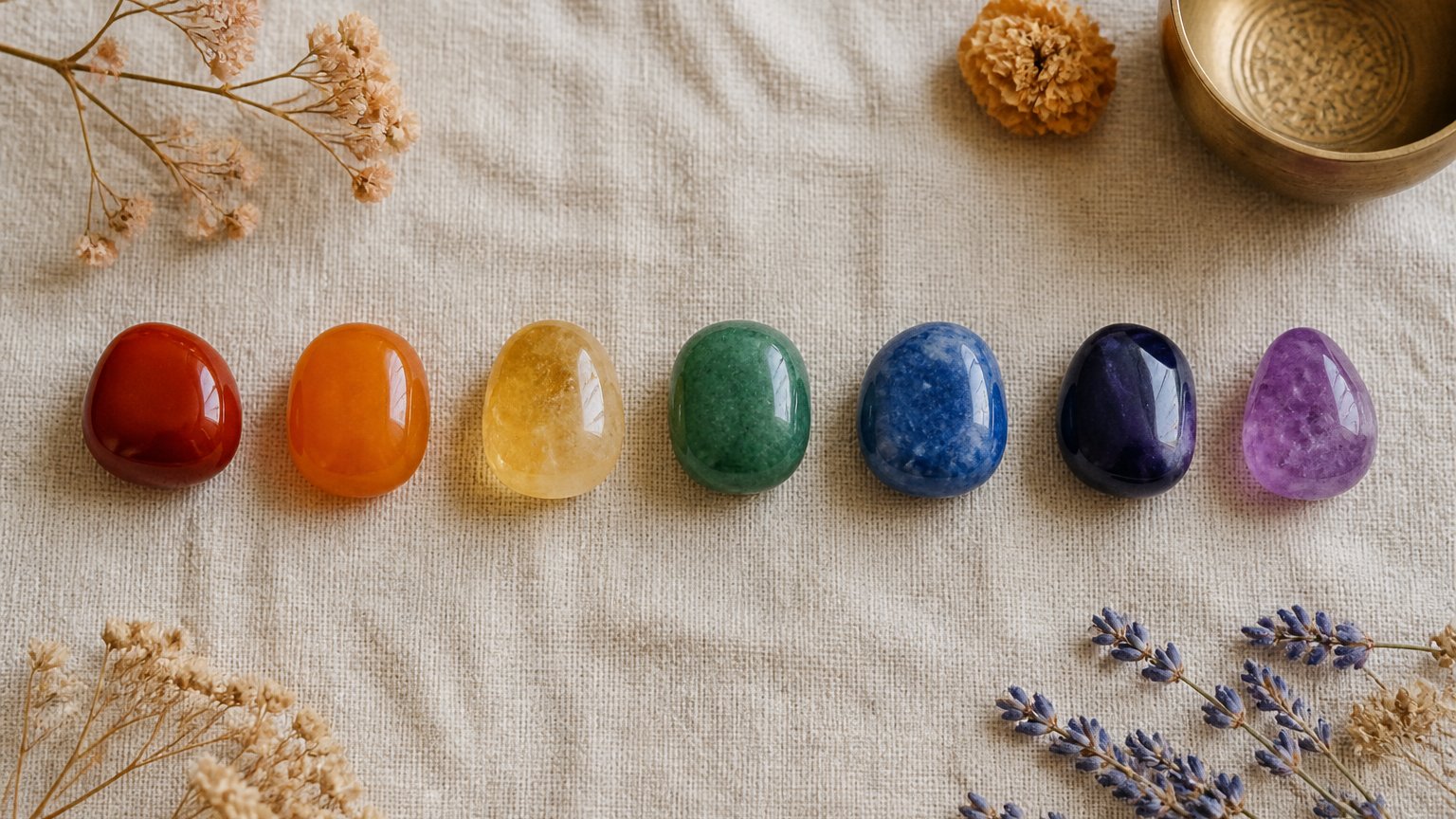
People ask me this constantly, usually because they've heard bits and pieces and want the full picture in one place. So here it is. This is the classic seven-chakra system, root through crown, with where each one sits, its traditional color, and the life theme it's said to govern.
| Chakra | Location | Color | Life theme it governs |
|---|---|---|---|
| Root (Muladhara) | Base of the spine | Red | Safety, grounding, survival, feeling steady |
| Sacral (Svadhisthana) | Lower belly | Orange | Creativity, pleasure, emotion, sensuality |
| Solar Plexus (Manipura) | Upper belly, around the stomach | Yellow | Confidence, willpower, self-worth |
| Heart (Anahata) | Center of the chest | Green | Love, compassion, connection, forgiveness |
| Throat (Vishuddha) | The throat | Blue | Communication, honesty, self-expression |
| Third Eye (Ajna) | Between the eyebrows | Indigo | Intuition, insight, imagination |
| Crown (Sahasrara) | Top of the head | Violet or white | Spiritual connection, meaning, awareness |
Notice the shape of it. The lower three are about your foundation, your body, safety, and personal power. The upper three are about mind and spirit. And the heart sits right in the middle, the bridge between the two. When people first see all seven laid out like this, something usually clicks. They point at one and say, that's the one that's off. Trust that instinct. It's often right.
How Does a Chakra Quiz Actually Work?
The quiz on this page doesn't scan your body or read your aura through a screen. What it does is smarter and, honestly, more useful. It asks you plain questions about your life. Do you feel safe and grounded most days? Do you speak up when something matters, or swallow it? Are you creating anything lately, or does that well feel dry? Your answers get grouped by chakra, and the result shows you a pattern.
Think of it as a mirror, not a machine. You already carry the answers. The quiz just organizes what you feel into that seven-part map so it's easier to see. In my experience the value isn't the score itself. It's the moment you read "your throat chakra may feel blocked" and you go, oh. Yeah. I have been biting my tongue at work for months. That recognition is the whole point.
What's the Difference Between a Balanced and a Blocked Chakra?
In the tradition, each chakra can sit in one of three rough states, and the quiz result usually sorts your energy centers into these buckets.
- Balanced. Things flow. A balanced heart chakra feels like giving and receiving love without keeping score. A balanced root feels like solid ground under your feet even on a hard day.
- Blocked or underactive. The energy feels stuck or dimmed. A blocked throat might show up as trouble saying what you mean. A blocked sacral can look like creative flatness or feeling numb to pleasure.
- Overactive. Too much, spilling over. An overactive solar plexus can tip into controlling or domineering. An overactive third eye can mean living so far up in your head that daily life feels far away.
One thing I want to be clear about. A blocked chakra is not a defect, and it's not permanent. Everyone has blocks. They shift with your life. The month my dad was in the hospital, my heart and root chakras would have lit up as wildly out of balance on any quiz, and that was completely appropriate. My life was out of balance. The energy was just telling the truth.
How Do I Read My Quiz Result Without Freaking Out?
Okay, here's where people get in their own way. They take the quiz, see three "blocked" results, and decide they're broken. Please don't. A result is a snapshot of a moment, not a verdict on your soul.
Read it in this order. First, look for the chakra with the strongest signal, the one that's most clearly out of balance. That's your starting point, not your whole story. Second, ask yourself whether the result actually matches your gut. Sometimes it names something you already knew. Sometimes it surprises you, and the surprise is the gift. Third, resist the urge to fix all seven at once. Pick one. The lower chakras tend to be the foundation, so if your root feels shaky, I'd gently start there before worrying about your crown. You can't build a steady spiritual life on ground that feels like it's shifting.
What Can You Actually Do With a Blocked Chakra?
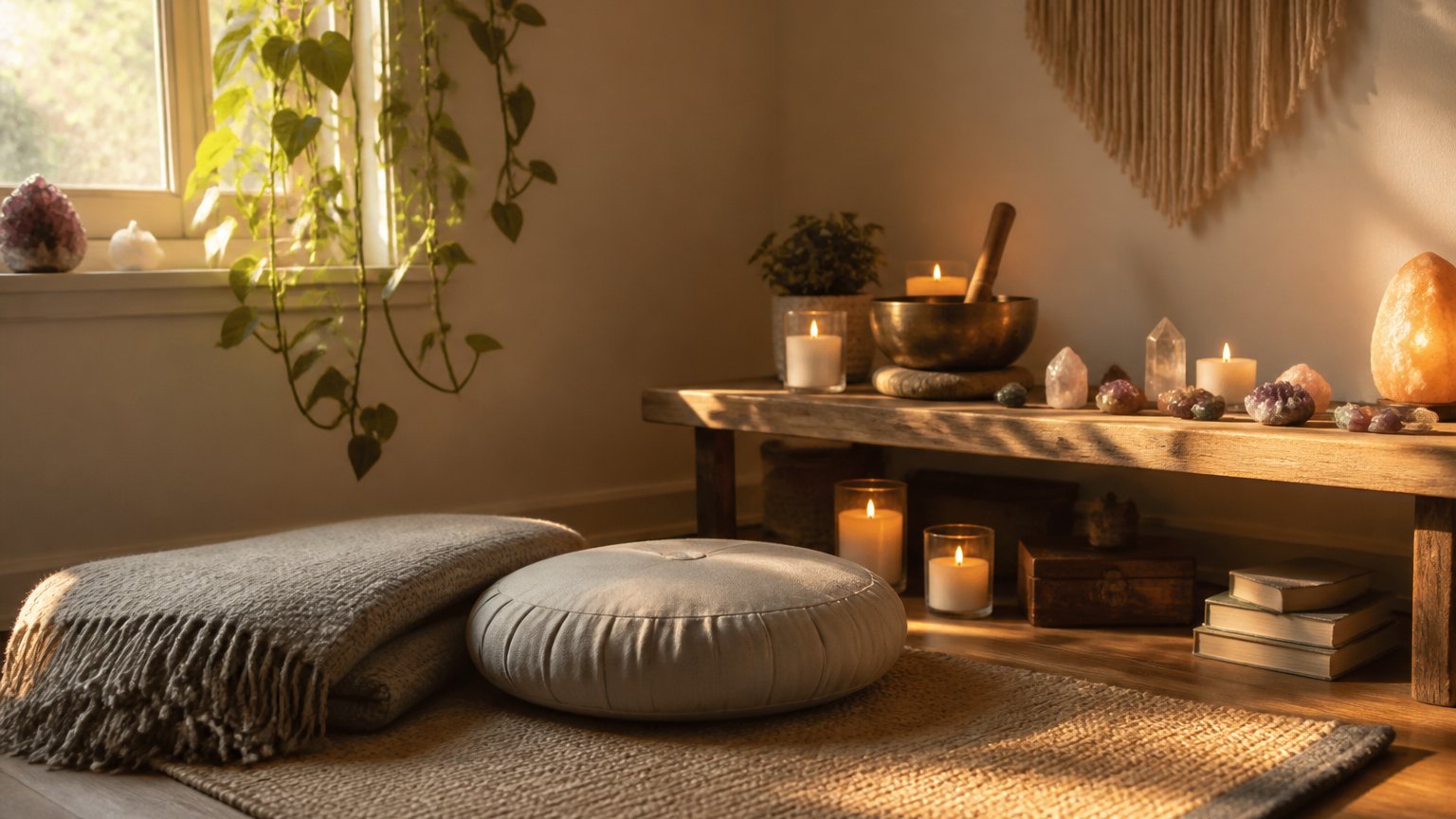
This is the part I love, because it's where insight turns into something you can hold. None of what follows is a cure or a treatment. It's traditional practice, the kind of gentle self-care people have used alongside these ideas for generations. Here are the main tools.
The big one is a simple meditation practice focused on the chakra you want to tend. You sit, you breathe, and you rest your attention on the spot where that center lives, the base of the spine for the root, the chest for the heart. A few minutes a day is plenty to start. Even the skeptics I've worked with admit they feel calmer afterward, and honestly, that calm is the real medicine, whatever you believe about the energy.
Color is another one people enjoy, since each chakra has its shade. Wear the color, eat foods in that color, surround yourself with it. Feeling scattered and ungrounded? Red things, hearty root vegetables, warm tones. Many people also work with colored crystals and healing stones matched to each center, a red jasper for the root, a rose quartz for the heart. Do the stones "do" anything measurable? I stay honest about that. But holding one gives your attention something to land on, and that focus has its own quiet power.
Then there's sound and journaling. Chanting, humming, singing bowls, all of it is meant to make a chakra "resonate," and even a plain hum in the car can loosen a tight chest and throat. Journaling is my sneaky favorite for a blocked throat or third eye, because writing is expression, and expression is exactly what those centers are hungry for. Pick one practice. Just one. Consistency beats intensity every time.
Which Chakra Should You Focus on First?
When the quiz flags more than one, I get asked which to tackle. My answer is usually bottom-up. Start low, work high. The root is your base, so if survival stuff feels loud right now, money, safety, a shaky living situation, tend that first. Everything above it steadies once the ground does.
That said, follow the heat. If one chakra jumped out at you the second you read your result, that emotional charge means something. Go where the energy is. A quick example. A woman I read for last spring came in convinced her problem was spiritual, all crown and third eye. But every time she talked, she'd apologize for taking up space. Classic throat and solar plexus. We started there, with tiny practices around speaking her mind, and within a couple of months the "spiritual fog" she'd worried about lifted on its own. The foundation was the issue all along.
Is a Chakra Quiz Accurate, and Should You Trust It?
Fair question, and I'll give you a fair answer. A chakra quiz is as accurate as your honesty when you take it. It has no way to measure invisible energy scientifically, because, again, this is tradition and belief, not clinical testing. What it can do, and does well, is hold up a structured mirror so your own self-knowledge gets sharper.
So trust it the way you'd trust a thoughtful friend's read on you. Worth hearing. Worth sitting with. Not the final word. If your quiz result and your body are pointing at something that genuinely worries you, please see a doctor or a licensed therapist, because a chakra assessment is not a substitute for medical or mental health care, full stop. Used right, though, the quiz is a lovely doorway into paying closer attention to yourself, and paying attention is where all real change starts.
What I'd Tell a Friend About the Whole Chakra Idea
If my closest friend asked whether any of this is "real," here's what I'd say over coffee. The energy model may or may not be literally true, and you don't need to settle that to get something out of it. What's real is this: when you name that your heart feels closed off, you start noticing where you're guarding it. When you name that your throat is blocked, you start catching the moments you go quiet. The language of chakras gives you words for feelings that are usually just a vague ache. And once a feeling has a name, you can actually work with it.
That's why I keep coming back to these tools after all these years. Not because I think a stone rearranges your molecules, but because the whole framework nudges you toward self-awareness, patience, and small daily care. Those things change lives. The metaphor is just the doorway.
Questions I Get Asked Most
What are the seven chakras and what does each one mean?
The seven run from the base of the spine to the top of the head: root (safety and grounding), sacral (creativity and pleasure), solar plexus (confidence and willpower), heart (love and connection), throat (communication and truth), third eye (intuition and insight), and crown (spiritual awareness). The lower three deal with your foundation and body, the upper three with mind and spirit, and the heart bridges them. Each is tied to a color and a life theme in yogic tradition.
How do I know if a chakra is blocked?
In the tradition, a blocked or underactive chakra shows up as the theme it governs feeling stuck. A blocked throat can look like struggling to speak up, a blocked heart like guarding yourself from closeness, a blocked root like chronic worry about safety. The quiz on this page groups your honest answers by chakra to point out where things feel dimmed. Remember, these are reflections for insight, not medical readings, and blocks are normal and shift with your life.
Are chakras real, or is it just a belief?
Chakras come from yogic and tantric spiritual tradition, and Western medical science does not recognize them as physical structures in the body. So they're a belief and a wellness framework, not a proven biological fact. What research does support is that the practices tied to them, like meditation and yoga, genuinely reduce stress. Many people find the model a useful, meaningful way to understand their emotions, whether or not they take the energy part literally.
How do you balance or unblock a chakra?
Traditional, gentle practices include meditation focused on the chakra's location, working with its color through clothing or surroundings, using matched crystals, sound work like humming or singing bowls, and journaling to express what feels stuck. Certain yoga poses are also linked to specific centers. Pick one practice and stay consistent rather than trying everything at once. These are self-care and reflection tools for wellbeing, not medical treatments, so keep seeing your doctor for any real health concern.
The Takeaway on Chakra Quizzes
Here's what matters most. A chakra quiz won't hand you a diagnosis or a destiny, and it isn't meant to. What it gives you is a simple, kind map for checking in with yourself, one that turns a foggy "something feels off" into a specific place to look. Take the quiz above, read your result gently, pick the one chakra that's calling loudest, and try one small practice this week. That's it. You're not broken, you're just paying attention now, and that's the best first step there is. I'd love for you to start today.
