
June Birthstone: Pearl, Alexandrite, and Moonstone Meaning and How to Choose
Date 7/16/2026
The June birthstone is a trio of gems: pearl, alexandrite, and moonstone, all recognized by Jewelers of America. Pearl is the classic organic gem grown inside oysters and mussels, alexandrite famously shifts color from green in daylight to red under lamplight, and moonstone glows with a soft, moonlit sheen. Pearl is soft at about 2.5 on the Mohs scale, moonstone moderate at 6 to 6.5, and alexandrite very hard at 8.5. People link the June birthstones with purity, transformation, and intuition.
After years of guiding people through gemstone meaning and astrology, I think June-born people are spoiled, because the June birthstone is not one gem but three. If your birthday lands in June, you can choose between pearl, alexandrite, and moonstone, each with a completely different kind of beauty. So let me walk you through what they are, what they mean, how they tie to the June zodiac signs, and how to choose and care for them.
What Is the June Birthstone, Really?
Put simply, June has three official modern birthstones: pearl, alexandrite, and moonstone. Jewelers of America lists all three, the Gemological Institute of America agrees, and so does the American Gem Society. That makes June one of only a handful of months with a full trio. I once had a June-born client who only ever thought of pearls and was delighted to learn she could just as rightly claim a mysterious color-changing alexandrite or a glowing moonstone as her own.
Why Does June Have Three Birthstones?
Here's the short history: pearl was June's classic stone for centuries, and the original 1912 American list paired it with moonstone. Then in 1952 the list was updated and alexandrite was added, giving June its rare trio. What that really means is the choice is wonderfully wide. You can go traditional with pearl, mystical with moonstone, or dramatic and rare with alexandrite, and every one of them is a correct, official June birthstone.
What Do the June Birthstones Look Like?
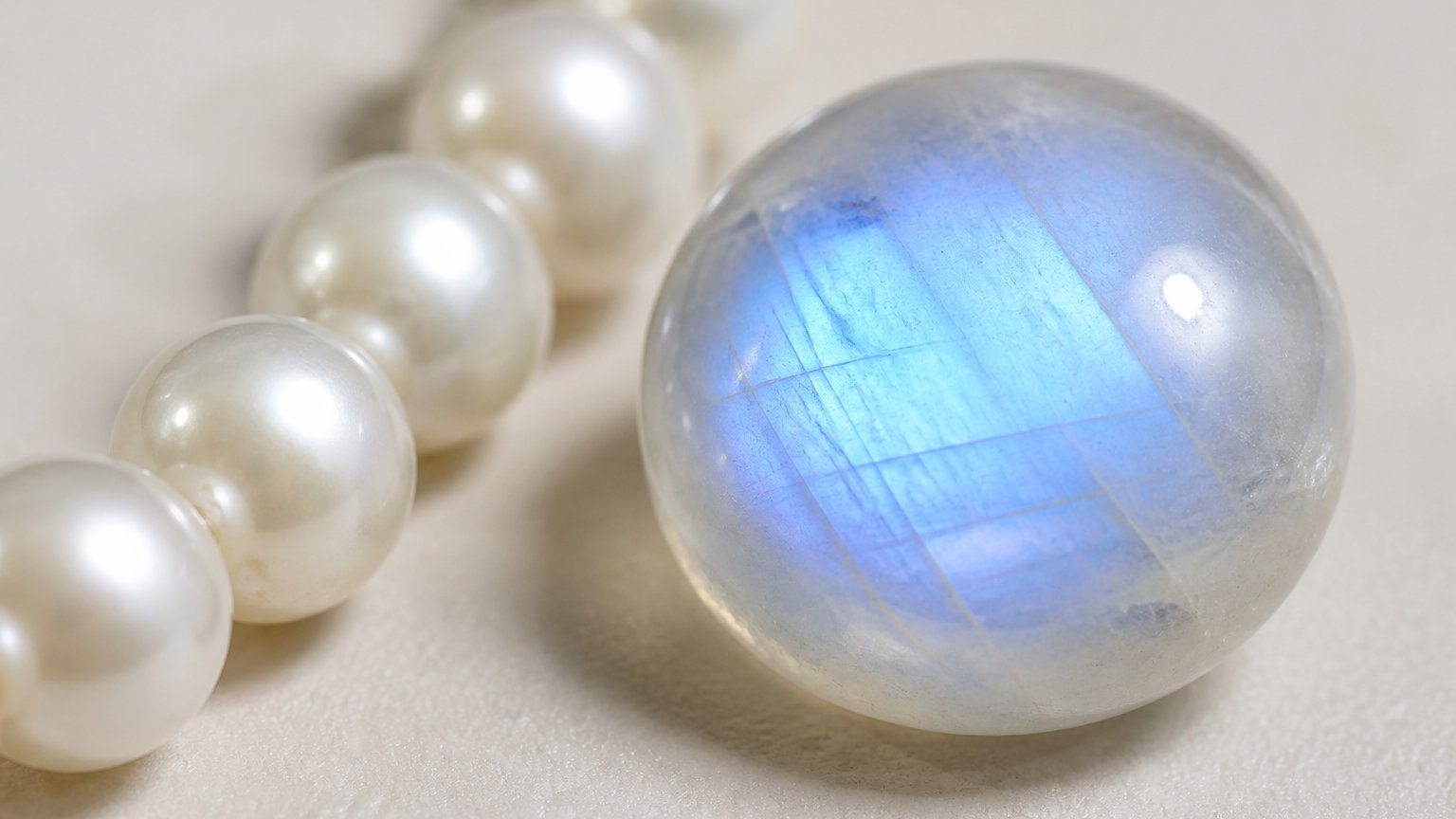
This is the part I love, because no three June stones could look more different. Pearls come in white, cream, pink, silver, gold, and even black Tahitian shades, with their soft glow coming from layers of nacre. Moonstone has a milky body in white, gray, or peach, lit by that dreamy blue or rainbow sheen called adularescence. And alexandrite is the showstopper: it looks green or bluish-green in daylight and turns red to purplish-red under a lamp, which is why people call it "emerald by day, ruby by night." Here's what's really eye-opening: fine natural alexandrite is so rare it can cost more per carat than diamond.
| Attribute | Pearl | Alexandrite | Moonstone |
|---|---|---|---|
| What it is | Organic gem from mollusks | Color-change chrysoberyl | Feldspar with a moon glow |
| Signature look | Soft nacreous luster | Green by day, red by lamp | Floating blue or rainbow sheen |
| Mohs hardness | About 2.5 (very soft) | 8.5 (very durable) | 6 to 6.5 (handle with care) |
| Price | Affordable to high | Very high (rarest) | Affordable |
| Main sources | China, Japan, Australia, Tahiti | Russia, Brazil, Sri Lanka | Sri Lanka, India, Madagascar |
| Zodiac links | Gemini and Cancer | Gemini and Cancer | Gemini and Cancer |
What Do the June Birthstones Mean and Symbolize?
Each stone carries its own lovely symbolism. Pearl has always stood for purity, innocence, and new beginnings, which is why it is such a beloved wedding gem, and old lore even called pearls the tears of the gods. Alexandrite, born of change itself, symbolizes transformation, balance, and good fortune, and is sometimes called a stone of luck and love. Moonstone is tied to the moon and feminine energy, standing for intuition, new beginnings, and emotional insight. I want to be straight with you: these metaphysical meanings are belief-based, offered for insight and entertainment, not medical or scientific fact. If that side appeals to you, the world of crystal energy is a lovely place to explore.
How Do the June Birthstones Connect to Gemini and Cancer?
June is shared by two zodiac signs, and the stones suit both beautifully. The first part of the month belongs to Gemini, the curious, adaptable air sign, and alexandrite's shape-shifting nature is a charming match for Gemini's versatility. From about June 21, Cancer arrives, and because Cancer is ruled by the moon, the lunar gems pearl and moonstone feel especially at home with that intuitive, nurturing water sign. What I'm seeing lately, in 2026, is more people choosing the stone that matches their sign as much as the calendar. One Cancer reader said her moonstone felt like carrying a little piece of the moon with her.
Where Do the June Birthstones Come From, and What Is Their History?
Each gem has a rich backstory. Pearls fascinated the ancient world, with Middle Eastern lore calling them tears of the gods and Sanskrit scripture promising they brought long life and prosperity, and the famous La Peregrina pearl passed through Spanish, French, and English royalty. Alexandrite was discovered in Russia's Ural Mountains in 1834 and named for the young Tsar Alexander II, its red-and-green color echoing the old Russian military colors. Moonstone was named by the Roman writer Pliny the Elder, who thought it shimmered like moonlight, and cultures from Rome to India linked it to their moon deities. Today most pearls are cultured on farms, a craft perfected by Mikimoto in Japan.
How Do Pearl, Alexandrite, and Moonstone Compare, and Which Should You Choose?
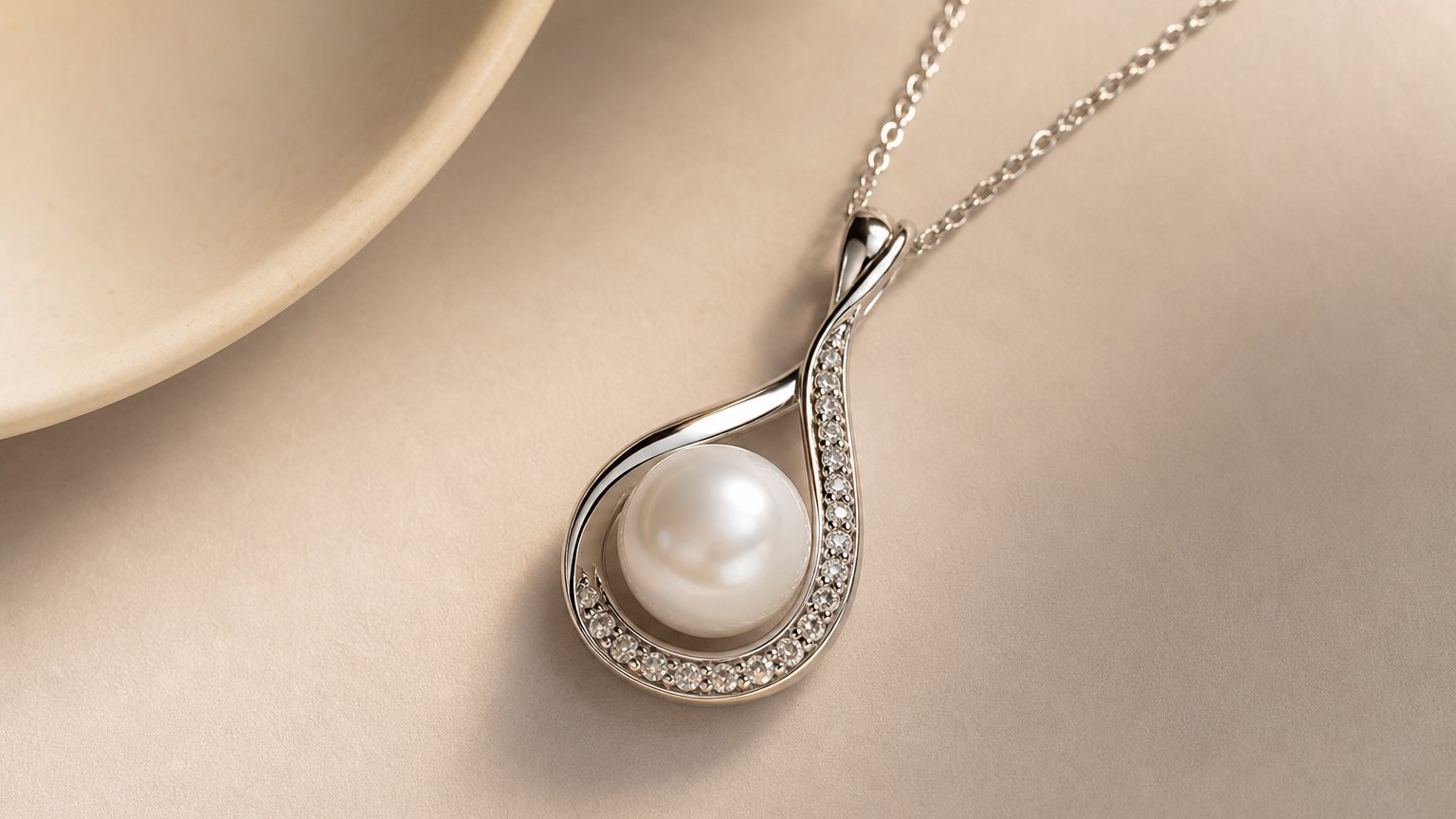
Here's another way to look at it when you are deciding. Pearl is the timeless, versatile classic, perfect for necklaces and earrings, though it is soft and needs gentle handling. Moonstone is the mystical, affordable choice with that ethereal glow, ideal if you love an otherworldly look on a friendly budget. Alexandrite is the rare, dramatic splurge, and because natural stones are so scarce and pricey, lab-grown alexandrite gives you the same magical color-change for a fraction of the cost. The short version: pearl for classic elegance, moonstone for mystical affordability, and alexandrite for rare, color-shifting wonder.
How Do You Care for the June Birthstones?
In everyday terms, the three could not be more different in toughness. Pearls are very soft and porous, so the rule is put them on last and take them off first, keep them away from perfume and cosmetics, wipe them with a soft damp cloth, and never use ultrasonic or steam cleaners. Moonstone is harder but can chip, so clean it gently with warm soapy water and a soft cloth, skip the ultrasonic, and avoid sudden temperature changes. Alexandrite is the easy one, durable enough for daily wear and fine with warm soapy water and a soft brush. Store all three apart from harder gems.
What I'd Tell a Friend About the June Birthstone
If a friend asked what to buy for someone born in June, here is what I would say. Trust me, think about the person's style and budget first. For timeless elegance you cannot beat a strand of pearls or pearl studs. For something dreamy and unique without a big price tag, moonstone is magical. And if you want to truly splurge or mark a milestone, a natural alexandrite is a rare treasure, though a lab-grown one is a smart, beautiful alternative. Buy from a reputable jeweler who discloses treatments, lead with the look the person will love, and keep the spiritual meanings in the realm of reflection and fun. If they love astrology, pairing the gift with an astrology reading makes it extra personal.
How Do You Wear and Style June's Birthstones?
Once you have picked your stone, the fun part is figuring out how to wear it, and each of June's gems has its own natural home in a jewelry box. Pearls are the everyday classic, and I almost always steer people toward a simple strand or a pair of pearl studs first, because they go with everything from a work blazer to a wedding dress and never look out of place. If you want pearls with a softer, more modern feel, look at single-pearl pendants or stud earrings in cream or pink, which read as fresh and understated rather than formal. The lovely thing about pearls is that they suit any age, so a young graduate and her grandmother can both wear them and feel completely themselves.
Moonstone is where I send people who want something dreamier. It looks gorgeous in silver and in oxidized or boho-style settings, where that floating blue sheen really comes alive against a cool metal, and it pairs beautifully with other soft, mystical stones like labradorite or rainbow moonstone in a stacked ring set. Because moonstone is friendly on the budget, it is a great stone to experiment with, so you can collect a ring, a pendant, and a pair of earrings without much worry. Alexandrite, by contrast, is the one I treat as a special-occasion centerpiece. Most people own it as a single ring or a solitaire pendant rather than a whole suite, partly because of the cost and partly because that color-change is so striking it deserves to stand alone. A simple rule helps here: pearls and moonstone are happy as everyday pieces, while alexandrite is the gem you save for the moments you most want to remember, and you take it off before anything rough or messy.
When Do the June Birthstones Make the Perfect Gift?
I get asked about gifting these stones more than almost anything else, and the honest answer is that June's trio is one of the easiest birthstone groups to shop for. The obvious moment is a June birthday, where you can match the gift to the person's taste rather than settling for one option, so a romantic friend might love a glowing moonstone while a more classic dresser will treasure pearls. Pearl in particular has a long history as a graduation and wedding gift, and there is a reason a strand of pearls is such a traditional present for a young woman stepping into a new chapter, since the gem itself stands for purity and new beginnings. If you are marking a graduation, an engagement, or a first big job, pearls carry that meaning gracefully.
Beyond birthdays, these stones shine for milestone and sentimental gifting. Pearls are a beautiful choice for an anniversary or for welcoming a new baby, and a moonstone piece makes a thoughtful gift for someone going through a season of change or fresh starts, since tradition ties it to intuition and new beginnings. Alexandrite, with its symbolism of transformation and good luck, is the gem I suggest when someone wants to mark a truly major moment, like a landmark birthday or a long-awaited goal, and it makes a heartfelt keepsake precisely because it is so rare. Whatever the occasion, I always tell people to lead with the look and the feeling rather than the price tag, because the gift lands best when it clearly suits the person you are giving it to.
Common Mistakes to Avoid When Buying June's Stones
After helping people shop for these gems for years, I see the same few slip-ups again and again, and a little knowledge saves real disappointment. The biggest one with pearls is assuming they are all natural. The truth is that almost every pearl on the market today is cultured, meaning it grew on a pearl farm with a little help, and that is completely normal and still genuine, but a seller should be clear about it. In the same vein, people forget to ask whether a pearl is saltwater or freshwater, which affects both look and value, so it is always worth asking that simple question before you buy. With alexandrite, the classic mistake is paying natural-stone prices for a lab-grown gem without being told. Lab-grown alexandrite is chemically identical and shows the same color-change, and it is a wonderful, affordable option, but it should never be sold at the price of a rare natural stone, so insist on full disclosure.
The other mistakes are about care rather than purchase. Pearl and moonstone are both soft and a little delicate, pearl especially at around 2.5 on the Mohs scale, so treating them like a tough diamond is asking for scratches and chips. Avoid wearing them for rough tasks, keep them away from harsh chemicals, and never throw them in a jewelry box loose against harder gems. I also gently remind people not to let the metaphysical meanings drive a rushed, overpriced purchase, because the symbolism is best enjoyed as belief and reflection, not as a reason to overspend. Buy from a reputable jeweler who answers your questions plainly, ask about natural versus cultured, saltwater versus freshwater, and natural versus lab-grown, and you will walk away with a stone you can trust and love.
Questions I Get Asked Most
What is the birthstone for June?
June has three official birthstones: pearl, alexandrite, and moonstone, all recognized by Jewelers of America and the Gemological Institute of America. Pearl is the classic organic gem, alexandrite is a rare color-changing stone, and moonstone has a soft lunar glow. June-born people can choose any of the three based on look, budget, and meaning.
Why does June have three birthstones?
Pearl was June's traditional stone, and the 1912 American birthstone list paired it with moonstone. In 1952 the list was updated to add alexandrite, giving June a rare trio of official stones. Several months now list more than one gem, but June is unusual in offering three very different choices.
Which June birthstone is the rarest?
Alexandrite is by far the rarest of June's three stones. Fine natural alexandrite is a scarce collector's gem that can cost more per carat than diamond. Pearls and moonstones are far more common and affordable, since most pearls today are cultured and moonstone is fairly plentiful. Lab-grown alexandrite offers the color-change for much less.
What does the June birthstone symbolize?
Pearl symbolizes purity, innocence, and new beginnings, alexandrite stands for transformation and good fortune, and moonstone is linked to intuition and feminine energy. These meanings come from history and tradition, so treat them as insight and encouragement rather than medical or scientific fact, and enjoy whichever symbolism resonates with you.
Bottom Line on the June Birthstone
Bottom line, the June birthstone gives you a remarkable trio: classic pearl, rare color-changing alexandrite, and dreamy moonstone. You get accurate gemology plus warm symbolism of purity, transformation, and intuition, along with a natural tie to both Gemini and Cancer. Whether you reach for the timeless elegance of pearl, the mystical glow of moonstone, or the dramatic magic of alexandrite, June is a birthday with truly something for everyone. You've got this.
