
July Birthstone: Ruby Meaning, Color, History, and How to Choose
Date 7/17/2026
The July birthstone is ruby, the only official modern stone for the month, recognized by Jewelers of America. Ruby is the red variety of the mineral corundum, colored by chromium, and the most prized shade is a vivid pure red called pigeon's blood. Ruby is extremely durable, rating 9 on the Mohs scale, second only to diamond. Long called the king of gems, the July birthstone is tied to love, passion, vitality, and courage, which has made it a treasured royal stone for thousands of years.
After years of guiding people through gemstone meaning and astrology, I have a soft spot for July birthdays, because the July birthstone is ruby, the fiery king of gems. If your birthday lands in July, this passionate red stone is yours, and it carries one of the richest histories of any gem on Earth. So let me walk you through what it really is, what it means, how it ties to the July zodiac signs, and how to choose and care for one with confidence.
What Is the July Birthstone, Really?
Put simply, the July birthstone is ruby, and it is the single official modern stone for the month on the Jewelers of America list, with the Gemological Institute of America in full agreement. Ruby is the red variety of corundum, the very same mineral as sapphire, which means a ruby is essentially a red sapphire by another name. I once had a July-born client who was amazed to learn that her ruby and her mother's blue sapphire were chemically the same gem, just colored by different trace elements.
Does July Have More Than One Birthstone?
Here's the honest answer: ruby is the one and only official modern July birthstone. Unlike months such as June or October, July keeps it simple with a single stone. A few cultural or alternative lists mention gems like onyx or carnelian, but no major authority backs them, so ruby stands alone. What that really means is your choice is delightfully clear, and you get to focus on finding the most beautiful red that fits your taste and budget.
What Colors and Varieties Does Ruby Come In?
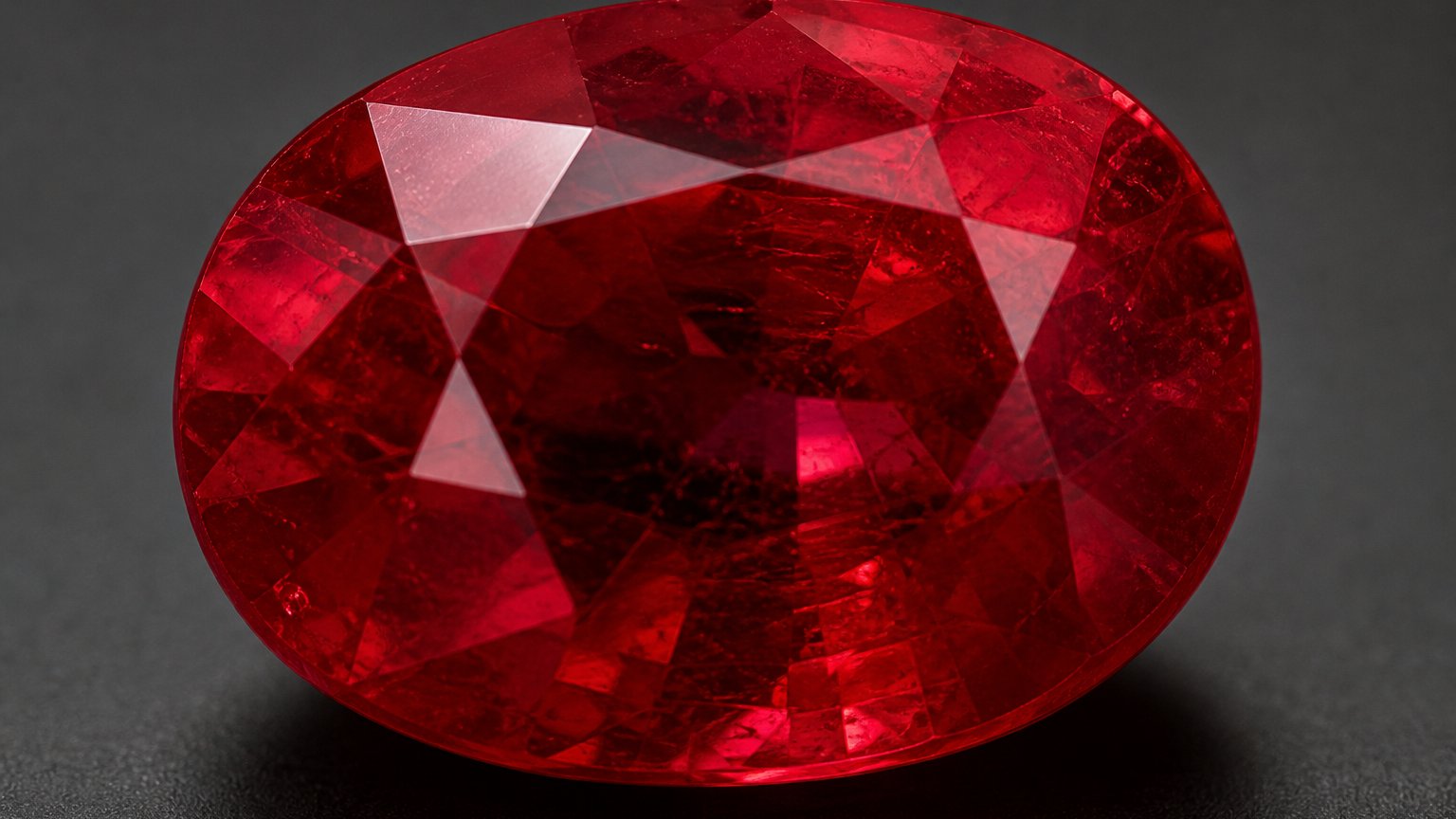
This is the part I love, because ruby's red is unlike any other. Rubies range from pinkish-red through deep crimson, and the color comes from chromium in the crystal, so the more chromium, the stronger the red. The most coveted shade of all is a pure, vivid red with a faint blue undertone, known in the trade as pigeon's blood, classically from Burma's Mogok valley. Here's what's really eye-opening: top rubies are among the most valuable gems in the world per carat, and a fine large ruby can outprice a comparable diamond.
| Attribute | Detail |
|---|---|
| Stone | Ruby (red variety of corundum) |
| Official status | The only modern July birthstone per Jewelers of America |
| Color range | Pinkish-red to deep crimson; finest is "pigeon's blood" |
| Color cause | Trace chromium |
| Mohs hardness | 9 (second only to diamond) |
| Main sources | Myanmar, Mozambique, Thailand, Sri Lanka, Vietnam |
| Zodiac links | Cancer and Leo |
| Anniversary | 15th and 40th wedding anniversary |
What Does the July Birthstone Mean and Symbolize?
Ruby's blazing red has always stood for love, passion, and the life force itself, and its very name comes from the Latin ruber, meaning red. It is also the ultimate royal gem, often called the king of precious stones, prized by kings and queens as a symbol of power, courage, and wisdom. Traditional lore links ruby to vitality, confidence, and protection. In crystal traditions it is seen as a heart-opening, energizing stone. I want to be straight with you: those metaphysical meanings are belief-based, offered for insight and entertainment, not medical or scientific fact. If that side appeals to you, the world of crystal energy is a lovely place to explore.
How Does Ruby Connect to Cancer and Leo?
July is shared by two zodiac signs, and ruby suits both. The first stretch of the month belongs to Cancer, the nurturing, deeply feeling water sign, and ruby's themes of love and devotion resonate warmly with that heart-centered sign. From about July 23, Leo arrives, and ruby is a perfect match for the lion: bold, fiery, and ruled by the sun, just like Leo itself. In fact, traditional astrology has long named ruby the sun's gemstone. What I'm seeing lately, in 2026, is more people choosing the stone that matches their sign as much as the calendar. One Leo reader said her ruby felt like wearing her own confidence.
Where Does Ruby Come From, and What Is Its History?
Ruby has one of the oldest and grandest histories of any gem. In ancient India it was called ratnaraja, the king of jewels, the supreme gemstone of Hindu texts. Burmese warriors believed rubies made them invincible in battle, and medieval Europeans thought the stone brought health, wisdom, and success in love, even warning of danger by darkening. The classic pigeon's blood rubies come from Burma's Mogok valley, while today fine rubies also come from Mozambique, Thailand, Sri Lanka, and Vietnam. Ruby even shaped modern science: the very first working laser, built in 1960, used a synthetic ruby crystal.
How Do You Care for Ruby Jewelry?
In everyday terms, ruby is a dream to live with. At a Mohs hardness of 9 it is exceptionally tough, second only to diamond, with no cleavage to chip, so it handles daily wear beautifully. Clean it with warm soapy water and a soft brush, and untreated rubies are usually fine in ultrasonic or steam cleaners. Here is the important caveat: most rubies are heat-treated, which is stable, but if your stone is fracture-filled or dyed, skip the ultrasonic and steam and stick to gentle soapy water. Because ruby is so hard, store it apart so it does not scratch your softer gems.
What Should You Look for When Choosing a Ruby?
When you are shopping, color is king. Trust me, a ruby's value rests first on its red, so look for a rich, vivid, slightly purplish-red that is neither too dark nor too pink. After color come clarity, cut, and carat, but a slightly included ruby with gorgeous color often beats a cleaner stone with a duller hue. Almost all rubies are heat-treated, which is normal and accepted, so the key is honest disclosure of any other treatment like glass-filling. Lab-grown rubies offer the same look for far less if budget matters. Ruby is also the traditional gift for the 15th and 40th wedding anniversaries. If you want help choosing a stone that fits your chart, an astrology reading can add a personal touch.
What I'd Tell a Friend About the July Birthstone
If a friend asked what to buy for someone born in July, here is what I would say. The great news is that ruby is wonderfully durable, so it is a perfect everyday stone for a ring you will never want to take off. Spend your money on color rather than size, because a small, vividly red ruby outshines a large, washed-out one every time. And if a fine natural ruby is out of reach, a lab-grown ruby gives you that same passionate red for far less. Buy from a reputable jeweler who discloses treatments, and keep the spiritual meanings in the realm of reflection and fun.
How Do You Wear and Style a Ruby?
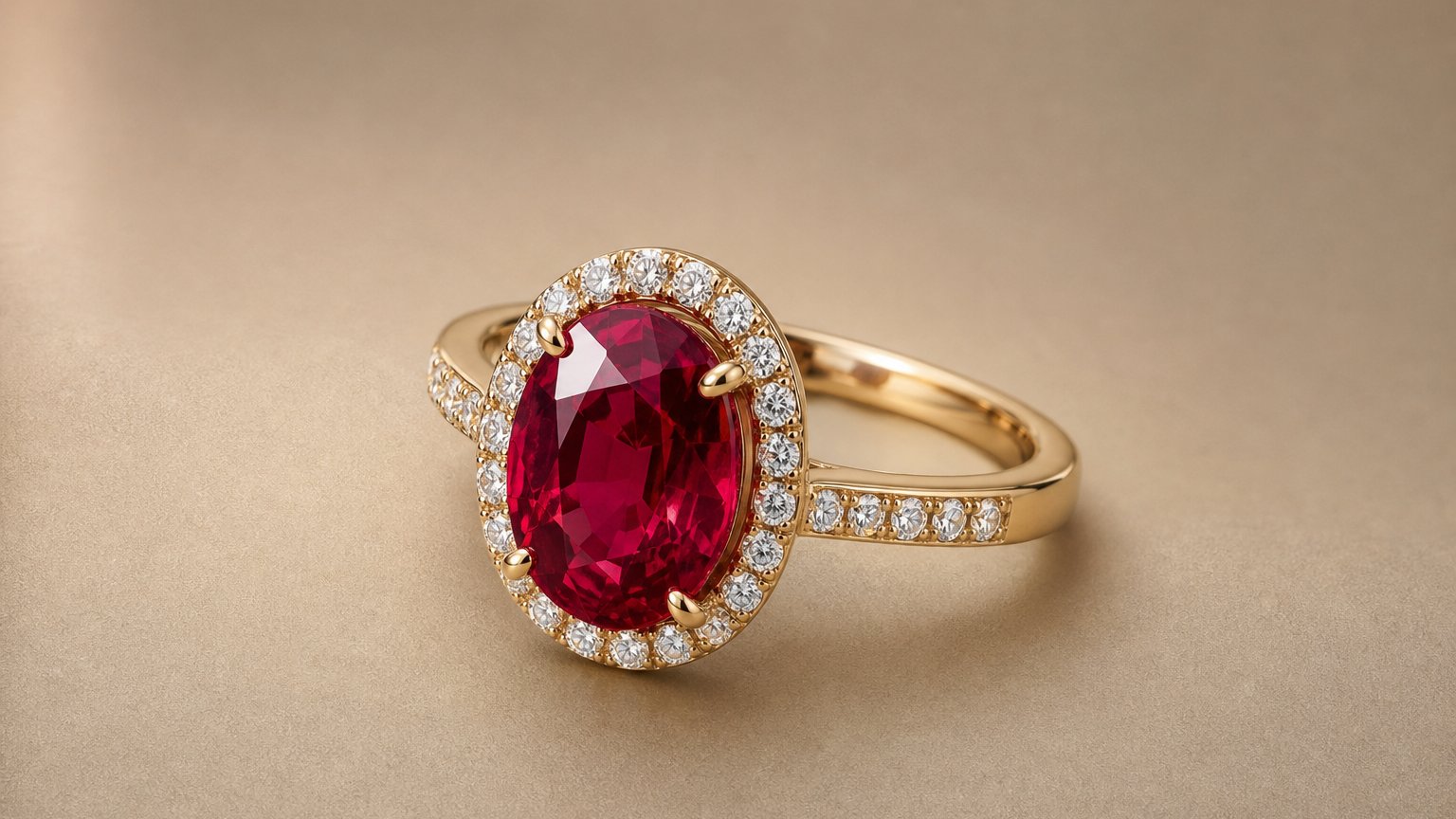
Here is where the fun begins, because few stones reward styling like a ruby does. The classic choice is a solitaire ring, where a single vivid red stone gets to be the whole show, and I genuinely love how confident that looks on a hand. If you want extra sparkle and a little more presence, a halo setting wraps the ruby in a ring of small diamonds, which makes the red read even deeper by contrast and adds size to the look without needing a bigger center stone. Pairing ruby with diamonds is a timeless combination for exactly that reason, since the cool white brilliance frames the warm red so beautifully.
Metal matters more than people expect. Yellow gold leans into ruby's warmth and gives the whole piece a rich, golden glow, while white gold or platinum creates a crisp, modern contrast that can make the red pop even more vividly. Trust me, it is worth trying a ruby against both before you decide, because skin tone and personal taste both play a part, and there is no single right answer. The best news of all is durability. Because ruby rates 9 on the Mohs scale and has no cleavage, it is genuinely built for everyday wear, so you can choose it for a ring you put on every morning and never baby it the way you might a softer gem.
When Does a Ruby Make the Perfect Gift?
The obvious occasion is a July birthday, and honestly, ruby makes that an easy win, because it is the single official birthstone for the month and that gorgeous red feels personal and celebratory at once. I have helped many people choose a ruby for a July-born partner, parent, or child, and it never fails to land as thoughtful. There is something lovely about giving a stone that is uniquely tied to the month someone was born.
Ruby also has a special place in marriage milestones. It is the traditional gift for both the 15th and the 40th wedding anniversaries, which makes it a beautifully fitting way to mark a long and loving partnership. Given that ruby has symbolized love and passion for thousands of years, you can see why it carries so much romantic weight as an anniversary stone. Beyond birthdays and anniversaries, I often suggest ruby for any big, heartfelt moment, an engagement, a milestone celebration, or a gift meant to say something deep. Lead with the red, choose a stone that suits the person's everyday life, and you have a present that will be worn and treasured for decades.
Common Mistakes to Avoid When Buying a Ruby
After years of fielding questions from buyers, I see the same handful of slip-ups again and again, and the good news is that every one of them is easy to sidestep once you know about it. The biggest mistake is chasing size over color. I understand the temptation, because a bigger stone feels like more value, but a large ruby with a dull or washed-out red will always look less impressive than a smaller stone with a rich, vivid red. Color is what gives ruby its magic, so let it lead your decision.
The second mistake is not asking about treatments. Most rubies on the market are heat-treated, which is a stable, widely accepted process, so that alone is nothing to worry about. What you do want to ask about is fracture-filling, sometimes called glass-filling, and dyeing, because those treatments are far less durable and should always be disclosed by an honest seller. A glass-filled ruby can be a fine budget choice if you know what you are getting, but it should never be cleaned in an ultrasonic or steam cleaner, and it should be priced accordingly.
A third common error is confusing ruby with other red stones. Garnet and red spinel can both look strikingly similar to the untrained eye, yet they are different gems with different values, so it pays to know exactly what you are buying. Finally, do not overpay without proper grading. For any significant ruby, ask for documentation from a respected lab, and remember that a lab-grown ruby is chemically identical to a natural one and costs far less, which makes it a smart option if budget matters more to you than rarity. Buy from a reputable jeweler, ask the questions, and you will walk away confident in your stone.
Questions I Get Asked Most
What is the birthstone for July?
The July birthstone is ruby, the only official modern stone for the month, recognized by Jewelers of America and the Gemological Institute of America. Ruby is the red variety of the mineral corundum, and the most prized color is a vivid pure red called pigeon's blood. Unlike some months, July has just this one official birthstone.
What does the ruby birthstone symbolize?
Ruby symbolizes love, passion, vitality, and courage, and as the king of gems it has long stood for power and royalty. Traditional lore also links it to protection and confidence. These meanings come from history and tradition, so treat them as insight and encouragement rather than medical or scientific fact, and enjoy whatever symbolism resonates with you.
Is ruby good for everyday wear?
Yes. Ruby is one of the most durable gems, rating 9 on the Mohs scale, second only to diamond, and it has no cleavage to chip. That makes it excellent for rings and daily wear. Just clean it gently with warm soapy water, and avoid ultrasonic or steam cleaning if your ruby has been fracture-filled or dyed.
Why are some rubies so expensive?
Fine natural rubies, especially vivid pigeon's blood stones from Burma, are extremely rare in larger sizes, so top rubies can cost more per carat than diamonds. Color drives the price most of all. If budget is a concern, a lab-grown ruby offers the same rich red and durability for a small fraction of the cost.
Bottom Line on the July Birthstone
Bottom line, the July birthstone is ruby, the fiery king of gems, pairing remarkable durability with timeless meanings of love, passion, and courage. It glows in every shade from pinkish-red to deep crimson, suits both tender Cancer and bold Leo, and will easily last a lifetime of daily wear. Whether you choose a rare natural stone or a budget-friendly lab-grown ruby, lead with that gorgeous red and you will treasure it forever. You've got this.
