
January Birthstone: Garnet's Meaning, Colors, and Spiritual Symbolism
Date 7/18/2026
The January birthstone is garnet, the modern stone recognized by Jewelers of America for the month. Garnet is not a single mineral but a family that forms deep underground and ranges from deep red almandine and pyrope to orange spessartine and vivid green tsavorite. It rates 6.5 to 7.5 on the Mohs hardness scale and has been worn since the Bronze Age. People associate the January birthstone with protection, vitality, and new beginnings, which suits a month built on fresh starts.
After years of guiding people through gemstone meaning and astrology, I always enjoy talking about the January birthstone, because garnet is so much more than the deep-red stone most people picture. If you were born in January, garnet is yours, and it comes in a surprising rainbow. So let me walk you through exactly what it is, what it means, how it connects to your zodiac sign, and how to choose and care for a piece you will treasure. One client came to me right after New Year wanting a stone for a fresh start, and garnet was the perfect fit.
What Is the January Birthstone, Really?
Put simply, the January birthstone is garnet, the official modern stone on the Jewelers of America list, with the Gemological Institute of America and the American Gem Society in full agreement. Here's a fun detail: the name comes from the Latin granatum, meaning pomegranate, because the classic red crystals look just like the fruit's glistening seeds. And here is the part that surprises people most. Garnet is not one mineral at all but a whole family of related minerals, which is exactly why it shows up in so many colors. When I tell a client their red stone also comes in green, the look on their face is priceless.
Does January Have Any Other or Traditional Stones?
Garnet is the one widely recognized January birthstone, full stop. That said, a few traditional and alternative lists add companion stones, most often onyx for grounding and courage, or rose quartz for love and calm. What that really means is you have the official answer in garnet, with a couple of gentle alternatives if a different energy calls to you. I once worked with a January-born reader who chose rose quartz over garnet simply because its softer feel matched a season of healing she was moving through, and that was a lovely, valid choice too.
What Colors and Varieties Does Garnet Come In?
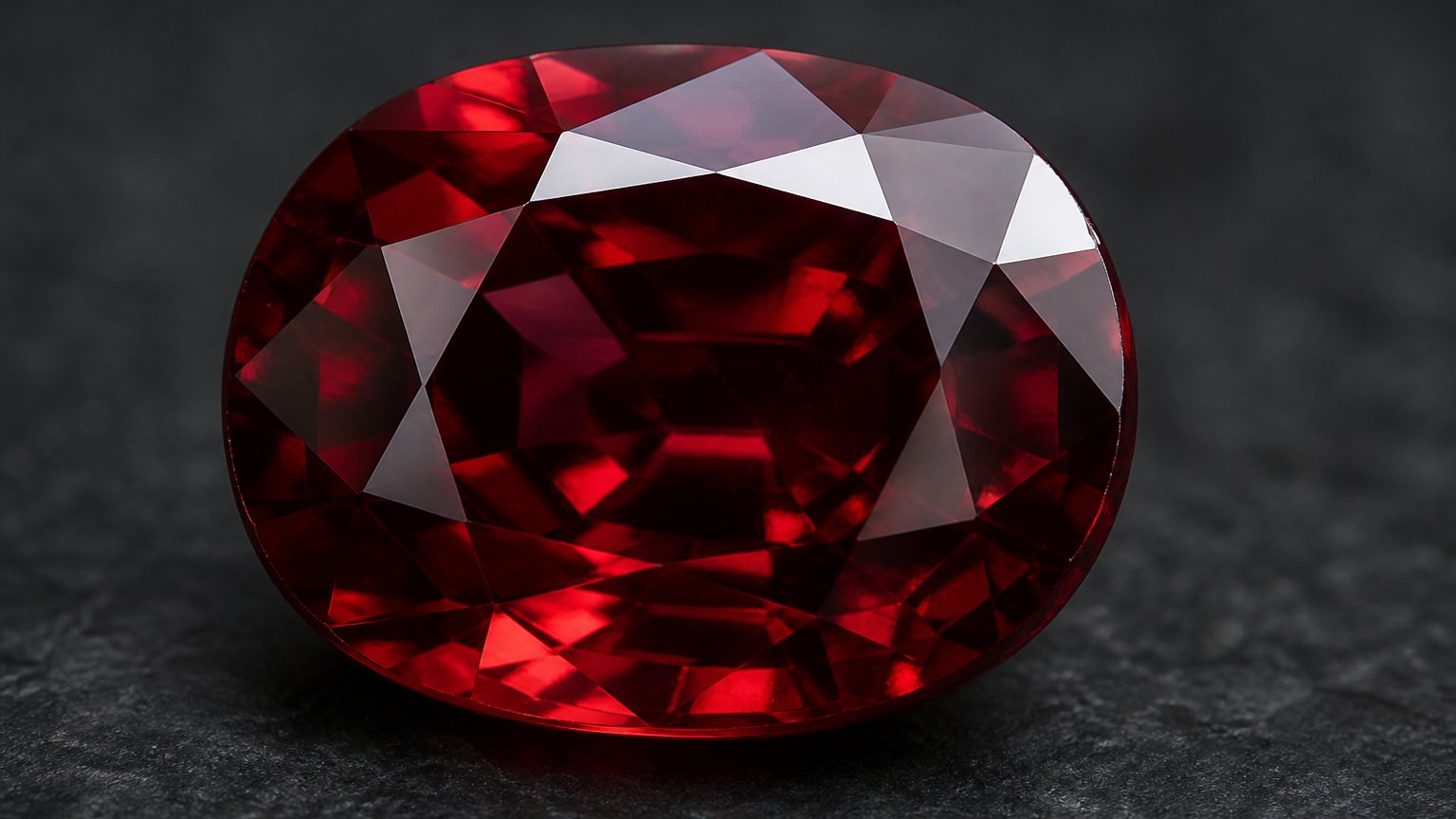
This is the part I love. Red is iconic, but garnet actually spans red, orange, yellow, green, pink, purple, brown, and even rare blue and color-change stones. The reason is that garnet is a group of minerals, each with its own personality.
| Variety | Color | Note |
|---|---|---|
| Almandine and pyrope | Deep red to purplish red | The classic garnet look |
| Rhodolite | Raspberry to pinkish red | A bright pyrope-almandine blend |
| Spessartine | Orange to golden (mandarin) | Vivid and highly prized |
| Tsavorite (grossular) | Rich vibrant green | Rare and valuable |
| Demantoid (andradite) | Green with intense fire | Disperses light better than diamond |
| Color-change | Blue-green to purple | Shifts with the light, very rare |
Here's what's really eye-opening: a fine demantoid actually disperses light better than a diamond, and the Smithsonian's famous Victorian pyrope hair comb glows with deep Bohemian red. Garnet is genuinely one of the most versatile gem families there is.
What Does the January Birthstone Mean and Symbolize?
Garnet has carried meaning for thousands of years, most often themes of protection, vitality, passion, loyalty, and courage. Its deep red was linked to life's blood, so ancient cultures saw it as a stone of energy and life force, and travelers and warriors carried it for safe passage. Because January is the month of fresh starts and resolutions, garnet's themes of renewal and new beginnings feel especially fitting. In crystal lore it is considered a grounding, motivating stone tied to the root chakra. I want to be honest with you: these meanings are traditional and belief-based, offered for insight and reflection rather than as scientific fact. If that energetic side interests you, the world of crystal energy is worth a look. One reader keeps a garnet on her desk as a focus anchor during a big career change.
How Does Garnet Connect to Capricorn and Aquarius?
January is shared by two zodiac signs, and garnet speaks to both. Most of the month belongs to Capricorn, the disciplined, build-it-steadily sign, and garnet's grounding, persevering energy suits that mindset beautifully. From about January 20, Aquarius takes over, and garnet's themes of vitality and reinvention resonate with that forward-looking sign. What I'm seeing lately, in 2026, is more people choosing a stone that matches their sign as much as their birth month. One Capricorn client told me garnet felt like a perfect match for her patient, brick-by-brick approach to her goals.
Where Does Garnet Come From, and What Is Its History?
Garnet has one of the longest histories of any gem. It was set into Egyptian burial jewelry as a symbol of life, carved into Roman signet rings used to stamp official documents, and worn through the Middle Ages for protection. In the 1800s, deep-red Bohemian pyrope garnets became the height of Victorian fashion. Today garnet is mined on nearly every continent. Much of the fine green tsavorite comes from Kenya, Tanzania, and Madagascar, while garnet of all kinds is found across India, Sri Lanka, Brazil, and even parts of the United States. It is, quite literally, a gem of the whole world.
How Do You Care for Garnet Jewelry?
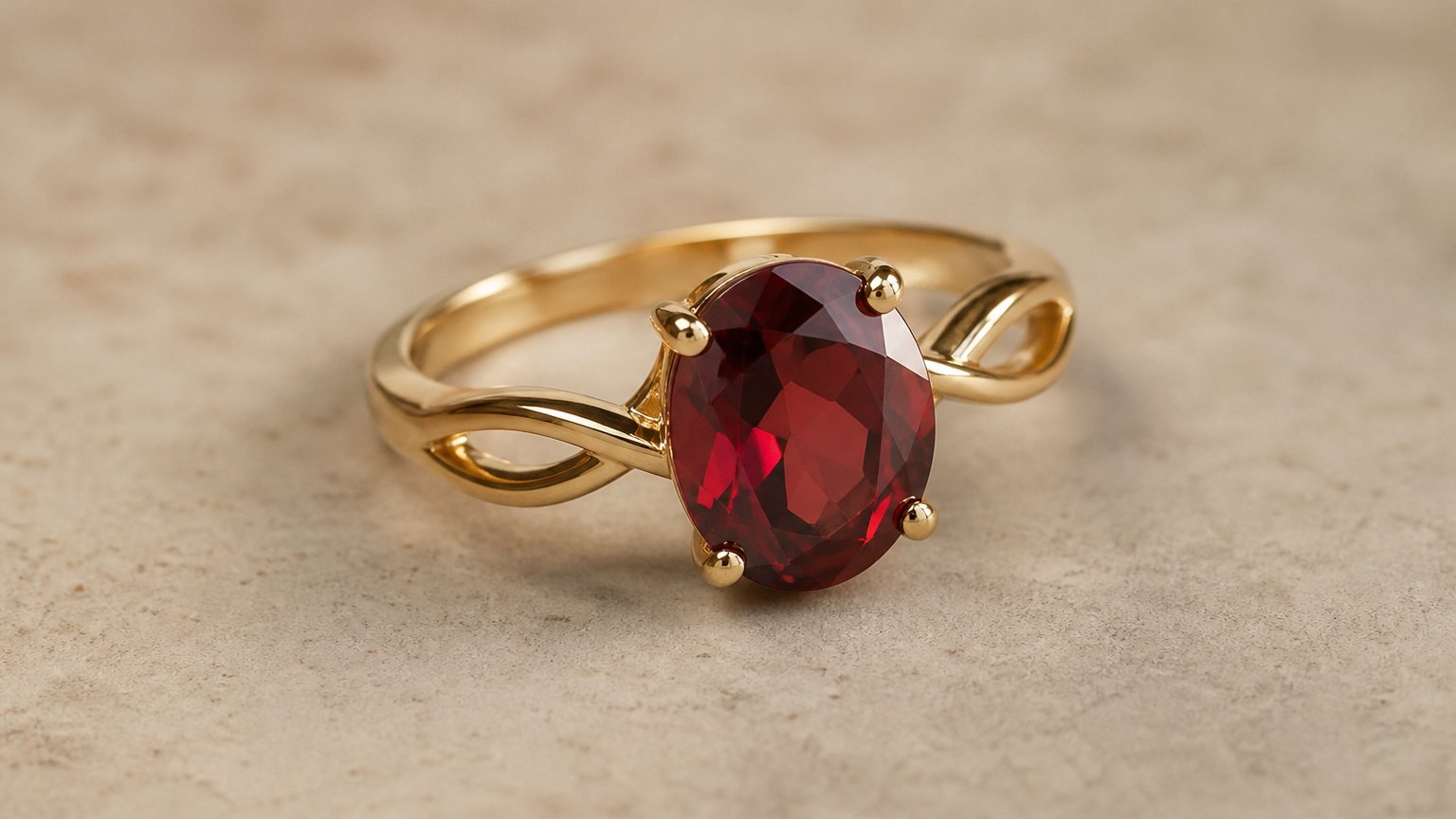
In everyday terms, garnet is durable enough for regular wear at a Mohs hardness of 6.5 to 7.5, but it is softer than diamond and sapphire, so it can be scratched and can scratch softer stones in return. To keep it bright, clean it with warm water, mild soap, and a soft brush, and skip the steam cleaner. Store it separately from both harder and softer gems. Garnet shines in earrings, pendants, and brooches, and it works in rings too with a thoughtful, protective setting. One reader's cloudy old garnet ring came back to life with nothing more than a gentle soft-brush cleaning.
Who Is the January Birthstone Really For?
Here's the thing: garnet suits more people than just January babies. It is a wonderful choice for anyone craving courage or a fresh start, anyone moving through a transition, and anyone simply drawn to that warm, deep-red glow. It is also the traditional gift for a 2nd wedding anniversary. If you want help choosing a stone that truly fits the chapter you are in, an astrology reading can point you in the right direction. One reader gave a garnet to a friend to mark her new job, and it landed as the perfect "go get it" gift.
What I'd Tell a Friend About Choosing Garnet
If a friend asked my advice, here is what I would say. Trust me, start with the color that genuinely makes you happy, whether that is classic red or a surprising green, then match the piece to how you actually live. Rings take the most wear, so if your friend is hard on her hands, I would steer her toward sturdy earrings or a pendant over a delicate cocktail ring. Buy from a reputable jeweler, and view the stone in both natural and indoor light to judge its true color. And remember, wearing garnet is about meaning and joy, not a magic guarantee.
How Do You Wear and Style Garnet?
Once you have chosen your garnet, the next question I always hear is how to actually wear it. The good news is that garnet is one of the most flexible gems to style. At a Mohs hardness of 6.5 to 7.5 it holds up to everyday wear, so you do not have to save it for special occasions. I tell clients to think about how a piece will live on their body before they fall in love with a setting. Earrings and pendants sit out of harm's way and take very little abuse, which makes them my first suggestion for daily wear. Rings and bracelets see the most knocks against desks, doorframes, and countertops, so if you want a garnet ring for everyday life, ask the jeweler for a protective bezel or a slightly recessed setting that shields the stone's edges.
Metal choice changes the whole feeling of the stone, and this is where you get to have fun. Classic deep-red almandine and pyrope look rich and warm in yellow gold, which leans traditional and vintage, the way those Victorian Bohemian pieces did. The same red set in white gold or platinum reads cooler and more modern, letting the crimson pop against the silvery metal. Rose gold flatters the pinkish raspberry tones of rhodolite beautifully. If you have one of the green varieties like tsavorite or demantoid, white metals tend to keep the color crisp and bright, while yellow gold gives it a softer, earthier glow. When it comes to pairing, garnet's deep red sits happily next to diamonds, white sapphires, or pearls for contrast, and it layers well with other warm stones if you like a stacked, collected look. My one styling rule is simple. Let the stone be the star, choose a setting that protects it, and wear it in a way that suits your real day, not an imaginary one.
Common Mistakes to Avoid When Buying Garnet
Because garnet is so widely loved, there are a few honest mistakes I see people make again and again, and they are easy to sidestep once you know about them. The biggest one is assuming garnet only comes in deep red. As you have seen in this article, garnet is a whole family of minerals that spans orange spessartine, raspberry rhodolite, and the vivid greens of tsavorite and demantoid, along with rarer color-change stones. If you walk into a shop expecting nothing but crimson, you may overlook a green or orange garnet that suits you far better, and you might pay a premium chasing only the red when another color speaks to you more.
The second mistake is confusing a red garnet with a ruby. They can look similar at a glance, especially in warm light, but they are completely different gems at different price points, and you never want to buy one believing it is the other. Always buy from a reputable jeweler who will tell you exactly what you are getting, and ask for the variety by name. The third thing people overlook is the green side of the family entirely. Tsavorite and demantoid are genuinely special, and a fine demantoid disperses light better than a diamond, yet many shoppers never even ask to see them. My last bit of advice is practical. View the stone in both natural and indoor light before you commit, since color can shift between the two, and match the piece to how hard you are on your jewelry. Avoiding these few missteps is the difference between a stone you tolerate and one you genuinely treasure.
Questions I Get Asked Most
What is the birthstone for January?
The January birthstone is garnet, the modern stone recognized by Jewelers of America, the Gemological Institute of America, and the American Gem Society. Garnet is a family of related minerals rather than a single stone, which is why it appears in so many colors. Deep red is the most familiar, but it is far from the only option.
What does the January birthstone garnet symbolize?
Garnet is traditionally linked to protection, vitality, passion, loyalty, courage, and new beginnings, which fits January's spirit of fresh starts. In crystal lore it is seen as a grounding root-chakra stone. These meanings come from history and tradition, so treat them as insight and encouragement rather than scientific or medical fact.
What zodiac signs is garnet connected to?
January covers Capricorn and Aquarius, and garnet is associated with both. Its grounding, persevering energy pairs naturally with disciplined Capricorn, while its themes of vitality and reinvention resonate with forward-looking Aquarius. Many people enjoy choosing garnet to reflect their zodiac sign as well as their birth month, though these links are astrological tradition.
Is garnet durable enough for everyday jewelry?
Yes, with a little care. Garnet rates 6.5 to 7.5 on the Mohs scale, which is fine for regular wear, though it is softer than diamond and sapphire and can scratch. It does especially well in earrings, pendants, and brooches, and works in rings with a protective setting. Clean it with mild soap and water and store it separately.
Are there alternative birthstones for January?
Garnet is the standard and only official modern January birthstone. Some traditional or alternative lists add companion stones such as onyx, associated with grounding and courage, or rose quartz, associated with love and calm. These are optional alternatives, not replacements, so garnet remains the recognized answer for the month.
Bottom Line on the January Birthstone
Bottom line, the January birthstone is garnet, a gem far richer than its red reputation suggests. It comes in nearly every color, carries centuries of meaning around protection and fresh starts, holds up well to everyday wear with a little care, and pairs warmly with both Capricorn and Aquarius energy. Whether you choose it for the symbolism, the zodiac tie, or simply that gorgeous glow, garnet is a meaningful way to start the year. Wear it well. You've got this.
