
How to Heal Anxious Attachment: A Step-by-Step Guide to Security
Date 10/29/2026
Learning how to heal anxious attachment means gradually shifting a relationship pattern built around a strong need for closeness and a deep fear of being left. This style usually shows up as constant reassurance-seeking, sensitivity to small changes in a partner's mood, and anxiety when connection feels uncertain. The key detail is that attachment is not a fixed trait. It is a set of learned habits that can change through self-awareness, nervous-system regulation, and steady practice in safe relationships, moving a person toward what specialists call earned security.
If you found your way here, I have a feeling you already know that ache: the checked phone, the replayed conversation, the fear that caring this much makes you too much. I have spent years writing about attachment and talking with people who love deeply and worry harder, and I want to say this plainly. You are not broken, and you are not doomed to repeat the same painful cycle forever. In this guide I will walk you through what healing anxious attachment actually looks like, from understanding where the pattern comes from to concrete tools you can start using this week.
What does it really mean to heal anxious attachment?
Here's the thing about the word heal. It sounds like you are fixing something diseased, and that framing keeps a lot of people stuck. What I tell people is that learning how to fix anxious attachment style is really about learning new relational skills, the same way you might learn to swim or speak a new language. You are not correcting a flaw in your character. You are building trust in yourself and in others, one repeated experience at a time.
In my experience, this reframe changes everything. When you see healing anxious attachment as skill-building rather than damage control, setbacks stop feeling like proof that you failed. They become practice reps. The great news is that researchers have a name for the destination: earned secure attachment. It means someone who started anxious can grow into a person who feels calm, steady, and safe in love, even if they did not start out that way.
How does anxious attachment form in the first place?
Anxious attachment, sometimes called anxious-preoccupied attachment, usually traces back to early relationships where care felt unpredictable. Maybe a caregiver was warm one day and distant the next, so you learned to stay on high alert, scanning for signs that connection was slipping. That vigilance was smart back then. It helped you hold on to love that came and went.
The trouble is that the same radar follows you into adult dating. A partner takes three hours to text back, and your body reacts as if something is truly wrong. Put simply, your nervous system is running old software. Understanding this is not about blaming your parents or your past. It is about seeing the pattern clearly so you can respond to today's relationships with today's information instead of yesterday's fear.
How do you build self-awareness about your patterns?
Every path I have seen toward secure attachment starts here, with honest noticing. Before you can change a reaction, you have to catch it happening. I find this part fascinating because so much of anxious attachment runs on autopilot. You feel the spike of panic and act on it before your thinking brain even shows up.
Journaling is one of the simplest tools for this. Try writing down the moments you felt that familiar surge of relationship anxiety. What happened right before? What story did your mind tell you? What did you do next? Over a couple of weeks, patterns start to jump off the page. One woman I heard from realized she only panicked on Sunday nights, when her partner got quiet before the work week. Naming that pattern was the first step in learning how to deal with anxious attachment instead of being ruled by it. Do this without self-blame. You are gathering information, not building a case against yourself.
What self-soothing techniques actually calm an anxious nervous system?
This is the part I love, because these tools give you something to do in the exact moment the fear hits. Learning how to self soothe anxious attachment is about teaching your body that you are safe, even when your mind is convinced you are about to be abandoned. Here are the techniques I recommend most, drawn from practices with real support behind them.
- The 5-4-3-2-1 grounding exercise. Name five things you can see, four you can touch, three you can hear, two you can smell, and one you can taste. This pulls your attention out of the spiral and back into the present moment.
- Paced or diaphragmatic breathing. Breathe in slowly through your nose, let your belly expand, and make your exhale longer than your inhale. A longer exhale signals your nervous system to downshift.
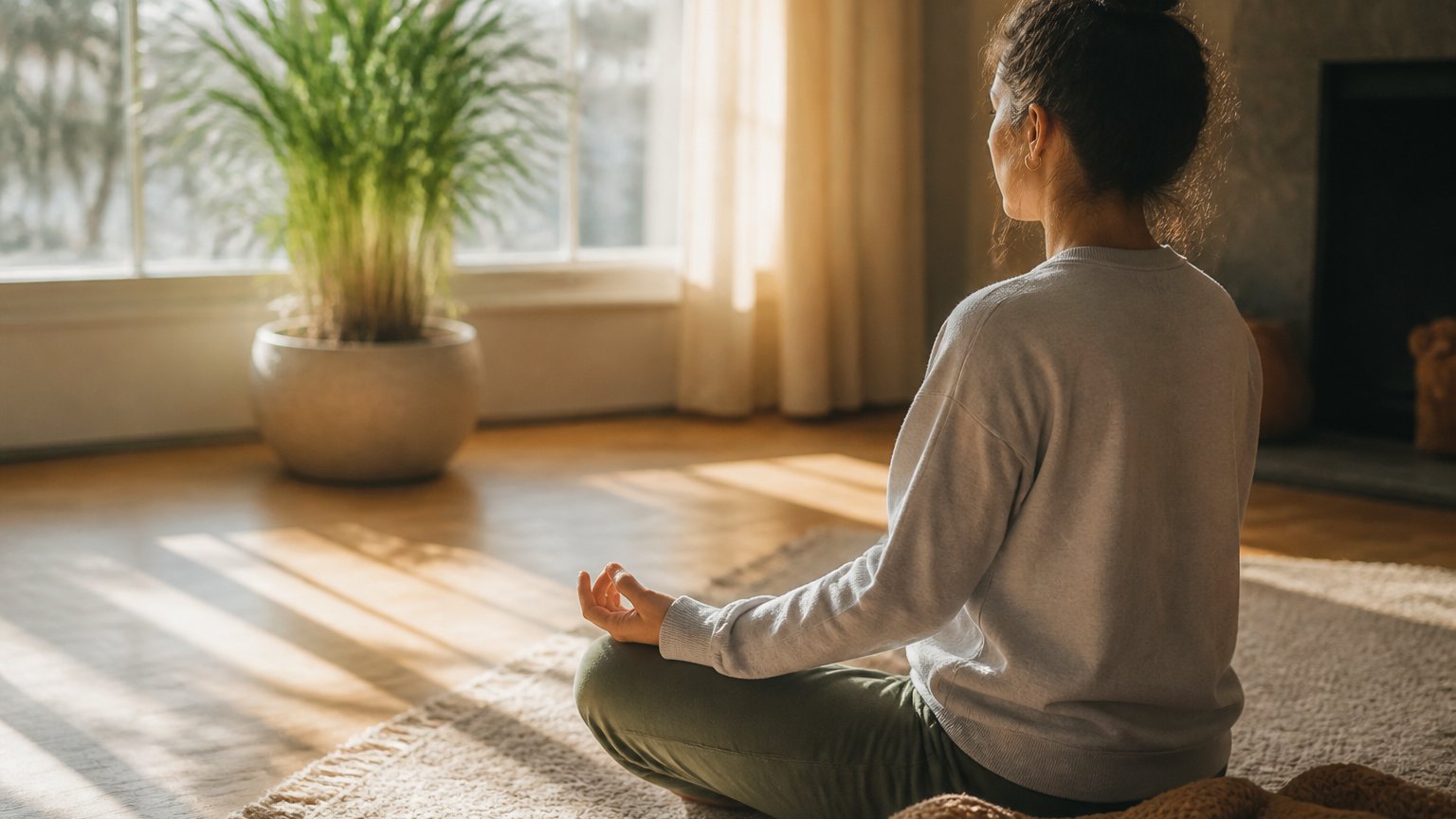
- A short mindfulness or meditation practice. Even five minutes of sitting with your breath, done regularly, builds your capacity to feel a wave of anxiety without immediately acting on it.
- A self-soothing sensory kit. A warm mug of tea, a soft blanket, a walk in fresh air, or a hand pressed to your own heart. Simple physical comfort tells your body it is being cared for right now.
- A pause-and-name habit. When the urge to react hits, silently say to yourself, this is my old alarm, not proof of danger. Naming the feeling creates a small gap where a healthier choice can happen.
A quick word of caution. There are plenty of viral self-soothing trends floating around these days that promise fast fixes and have little behind them. Stick with the grounded, well-supported practices above. Trust me, consistency with a few reliable tools beats chasing every new hack.
How do you spot your triggers and protest behaviors?
Triggers are the specific situations that flip your alarm switch. For many people they include a delayed reply, a partner needing space, a change in plans, or a tone of voice that reads as cold. When one of these lands, anxious attachment tends to fire off what specialists call protest behaviors, the things we do to force reconnection.
You probably know your own. Sending a string of texts and watching for the read receipt. Picking a fight to get a reaction. Going quiet and withdrawing to see if they notice. Scrolling their social media for clues. Here's another way to look at it: protest behaviors are your fear knocking loudly on the door, hoping someone will answer and reassure you. They make sense. They just rarely get you the steady closeness you actually want. Once you can spot a trigger and name the protest behavior it sets off, you can pause and choose a different response, which is the heart of how to stop anxious attachment from running the show.
How can you communicate your needs without pushing people away?
Here is where things get interesting. Most protest behaviors are indirect. Instead of saying I am scared, we test, withdraw, or accuse. The skill that changes this is direct, vulnerable communication. What that really means is naming your feeling and your need out loud, calmly, before the panic takes over.
Try simple I feel and I need language. Something like, I feel anxious when I do not hear back for a while, and it helps me to know we are okay. Compare that to a cold, why do you always ignore me. The first invites your partner closer. The second puts them on defense. I know that sounds intense to say out loud, but a partner who cares will usually meet a clear, kind request far better than a guessing game. This one shift does more for how to cope with anxious attachment than almost anything else, because it gets your real need met instead of buried under conflict.
Why do secure relationships help you heal faster?
You do not do this work in a vacuum. The people around you shape how safe your nervous system feels day to day. This is actually a good sign because it means you can speed up your healing by choosing who you lean on. Spending time with secure people, those who are consistent, reliable, and comfortable with closeness, slowly rewires your expectations of what love feels like.
And this is bigger than romance. A steady friend who always texts back, a family member who shows up, a mentor who stays calm when you are anxious, all of them offer your body evidence that connection can be dependable. Over time, that evidence adds up. You are not alone in this, and surrounding yourself with secure, supportive people is one of the most underrated ways to work on anxious attachment. If you are dating, notice how someone makes you feel over weeks, not just how exciting they are in the first rush.
How do healthy boundaries help you stop anxious attachment?
Boundaries and anxious attachment can feel like opposites, because setting limits means tolerating some distance, and distance is exactly what scares you. Here's another way to look at it. Healthy boundaries are how you protect your own well-being so you stop abandoning yourself to keep someone else close.
In everyday terms, that looks like a few things. Letting a partner have an evening with friends without spiraling. Not checking your phone every ten minutes. Speaking up when something does not sit right with you, instead of swallowing it to avoid conflict. It also means honoring other people's space without reading it as rejection. When you can hold space and time apart without escalating, you prove to yourself that you can survive the gap. That is a huge part of how to get over anxious attachment for good, and it builds a quiet self-trust that no amount of reassurance from a partner can replace.
What therapy options can help you work on anxious attachment?
Self-guided practice carries you a long way, and for many people a good therapist speeds the process and offers support you cannot give yourself. There is no shame in this. Reaching out is a strength, especially if the pattern is significantly affecting your relationships or your well-being. Several approaches are commonly used to help people move toward security.
| Approach | What it focuses on |
|---|---|
| Attachment-based therapy | Understanding your attachment history and gently reshaping how you relate |
| Emotionally Focused Therapy | Building secure emotional bonds within a relationship |
| Cognitive Behavioral Therapy | Identifying and shifting the anxious thoughts that fuel the fear |
| Dialectical Behavior Therapy | Emotional regulation and distress-tolerance skills |
| Internal Family Systems | Working with the different inner parts that carry your fear |
| EMDR | Processing older painful memories that sit underneath the pattern |
You do not need to memorize this list or pick perfectly. What I tell people is to find a therapist who understands attachment and feels safe to you, then let them help you choose. The relationship you build with a good professional can itself become a corrective, secure experience.

How long does healing take, and what should you expect?
Let me be honest with you, because false timelines only set people up to feel like failures. Healing anxious attachment is gradual and rarely a straight line. You will have stretches where you feel calm and secure, and then a stressful week or a triggering partner will bring the old panic roaring back. That is not a relapse. That is how change actually works.
What I'm seeing lately with the people who make real progress is that they measure growth in small signs, not sudden transformation. You pause before firing off the anxious text. You notice a trigger and breathe through it. You ask for what you need instead of testing. These are the wins. Be patient and kind with yourself along the way. Self-compassion is not a soft extra here. It is the fuel that keeps you going when the work gets hard, and it is genuinely one of the best ways to overcome anxious attachment over the long run.
Can a caring advisor support your healing journey?
Sometimes what you need most is a warm, outside perspective from someone who is not tangled up in your relationship. This is where a compassionate advisor can help. Talking things through with one of the love and relationship psychics at Psychic Source can offer reassurance during a rough patch, a fresh read on the patterns you keep repeating, and encouragement to keep going when doubt creeps in. Many people find that simply speaking their fears aloud to a caring listener quiets the noise enough to see their next step.
A word on what this is and is not. A reading is for insight, perspective, and self-reflection, offered for adults 18 and over. It is a source of support and clarity, not a replacement for therapy or professional care. Think of it as one more caring voice in your corner as you learn to trust yourself and your relationships again.
Questions People Ask About Healing Anxious Attachment
Can you really heal anxious attachment on your own?
Yes, a good deal of progress is possible through self-guided work. Building self-awareness, practicing self-soothing techniques, spotting your triggers, and communicating your needs directly all move you toward security. That said, many people heal faster with support, whether that comes from secure relationships, a trusted advisor, or a therapist. Doing some of the work alone and leaning on others for the rest is not a weakness. It is a smart, sustainable approach.
How do I stop being so anxious in relationships?
Start by calming your body in the moment with grounding and slow breathing, so the panic does not drive your choices. Then notice your triggers and the protest behaviors they set off, like over-texting or withdrawing. Instead of acting on the fear, name your need out loud with calm I feel and I need statements. Over time, these habits plus supportive, consistent relationships teach your nervous system that connection is safe.
How long does it take to heal anxious attachment?
There is no fixed timeline, and it varies a lot from person to person. Healing is gradual and non-linear, with real progress mixed in with setbacks during stressful or triggering times. Rather than watching the calendar, track small signs of growth, like pausing before an anxious reaction or asking for reassurance calmly. Patience and self-compassion matter more than speed, and steady practice adds up over months and years.
What is earned secure attachment?
Earned secure attachment describes someone who started out anxious or insecure and grew into a calm, steady, secure way of relating through effort and healing experiences. It is proof that attachment styles are not fixed for life. Through self-awareness, emotional regulation, healthy boundaries, and safe relationships, a person can build genuine trust in themselves and others. The security is earned rather than given in childhood, and it tends to be deeply resilient.
Your Path Forward
If you take one thing from this, let it be this: anxious attachment is a pattern you learned, which means it is a pattern you can gently unlearn. You do not have to become a different person or stop caring deeply. You simply build new skills, one at a time. Notice your patterns, soothe your body, name your needs, choose secure people, and hold kind boundaries. Some days will feel like backsliding, and that is normal. Keep going anyway. The calm, steady kind of love you long for is not out of reach. It is something you can grow into, and you are already on your way.
