
Dating an Avoidant Partner: How to Handle It Well
Date 10/21/2026
Dating an avoidant means being with someone who craves closeness but feels safest with distance. People with an avoidant or dismissive-avoidant attachment style tend to prize independence, downplay their emotional needs, and pull back when a relationship starts to deepen. It often shows up as hot-and-cold behavior, discomfort with labels, and shutting down during conflict. This is a self-protective pattern learned early, not a verdict on the partner. Understanding it helps you respond with steadiness instead of panic and decide what you actually need.
If you love someone who runs warm one week and distant the next, I want you to know you are not imagining it, and you are not doing something wrong. I have spent years helping people make sense of attachment patterns in their relationships, and dating an avoidant partner is one of the most confusing experiences people bring to me. Here is what I want to walk you through: what the distance really means, what helps, what quietly makes it worse, and how to protect your own heart while you figure out whether this relationship can grow.
What does it actually feel like to date an avoidant partner?
Here's the thing about avoidant attachment style dating: from the outside it can look like whiplash. Your partner is affectionate and present, then a few days later they feel a hundred miles away. In my experience, partners of avoidant people describe a push-pull rhythm. As things get closer, the avoidant partner often seeks a little air, and the relationship goes hot then cool then warm again.
You may also notice a strong need for personal space, hesitation around commitment or labels, and a tendency to go quiet or stonewall during hard conversations. Think about it this way. When most of us feel stressed in love, we reach for our partner. An avoidant person's nervous system learned to do the opposite and reach for solitude. What that really means is that their withdrawal is a coping move, not a statement about your worth.
Why does an avoidant partner pull away?
Avoidant partners rely on what attachment researchers call deactivating strategies. These are small mental moves that turn the volume down on closeness so it feels less risky. They might minimize the importance of the relationship, focus on your flaws, stay very busy, or insist they are fine when they clearly are not. I find this part fascinating because it looks like indifference from the outside, yet underneath it is often quiet overwhelm.
Internally, many avoidant people still feel plenty. They just tend to suppress or mask it to hold onto a sense of control and self-sufficiency. So the calm, detached surface you see is frequently hiding real feeling that they have learned to keep private. Trust me, this is the single most useful thing to understand about how to deal with avoidant attachment. The distance is about their discomfort with vulnerability, not about you being too much.
How do you avoid taking the distance personally?

This is the part I love, because it is where you get your power back. When your partner retreats, your brain may fill the silence with a story: they don't care, I did something wrong, they are about to leave. In everyday terms, you are mind-reading, and the guesses are almost always harsher than reality. When you catch that story, you can gently name it as a guess rather than a fact.
A quick example. Say your partner replies to a heartfelt text with one short line and then goes quiet for a day. The anxious read is rejection. The attachment-informed read is that closeness spiked and their system reached for space. You're not alone in feeling that sting, and you do not have to act on the first story your fear writes. Give the moment room, stay warm, and let them come back on their own timing. More recently I have watched this one shift, not taking withdrawal personally, change entire relationships.
What actually helps when you love an avoidant partner?
Let me explain what tends to work, because dating an avoidant is not about tiptoeing forever. The great news is that the same moves that soothe an avoidant partner also make you feel calmer and more grounded. Learning how to deal with an avoidant partner comes down to a handful of steady habits.
- Give space without punishing it. Let them have their solo time and greet them warmly when they return, so autonomy feels safe rather than costly.
- Communicate directly and low-pressure. Say what you need in clear, calm, non-critical language. "I would love a call this week" lands better than a loaded emotional summit.
- Respect their independence. Support their friendships, hobbies, and alone time instead of reading them as threats.
- Self-regulate first. When you feel the urge to chase or react, pause and settle your own nervous system before you respond.
- Notice their strengths out loud. Reliability, steadiness, and follow-through are real gifts. Naming them warmly invites more closeness than criticism ever will.
Put simply, you are aiming to be a safe, predictable presence. Consistency is reassuring to someone who half expects closeness to turn into pressure. This is actually a good sign for the relationship, because a partner who feels safe with you slowly needs fewer exits.
What are the dos and don'ts of dating an avoidant?
Here is the landmark list I keep coming back to with people. Screenshot it if you want. These are the small choices that add up, and they are the heart of how to date an avoidant attachment style without losing yourself.
| Do this | Avoid this |
|---|---|
| Give space and welcome them back warmly | Chasing or double-texting when they go quiet |
| State needs directly and calmly | Ultimatums and pressure to define things fast |
| Keep conversations low-intensity and short | Forcing long, high-emotion talks in the moment |
| Assume good intent and ask, don't guess | Mind-reading and filling silence with worst-case stories |
| Praise their independence and reliability | Criticizing them right when they withdraw |
| Keep your own life full and your standards clear | Shrinking your needs to keep the peace |
Notice that none of the "do" column is about becoming smaller. Healthy autonomy and doormat behavior are not the same thing. You can respect someone's need for space and still expect basic responsiveness and care.
Why does chasing make things worse?
By the way, chasing is the most natural response in the world, and it is also the one that backfires hardest. When an avoidant partner steps back and you step toward them harder, their system reads it as pressure, and pressure triggers more distance. You get a painful loop: the more you pursue, the more they retreat, and the more they retreat, the more you pursue.
What I tell people is to let the elastic relax. When they pull away, resist the urge to fix it immediately. Return to your own life, breathe, and give them the room to move back toward you on their own. I know that sounds intense when every cell in your body wants reassurance, but the space you leave is often exactly what lets them re-engage. Ultimatums and forced commitment talks land the same way, so save the big conversations for calm moments, not the middle of a withdrawal.
How do you keep your own life full while dating an avoidant?
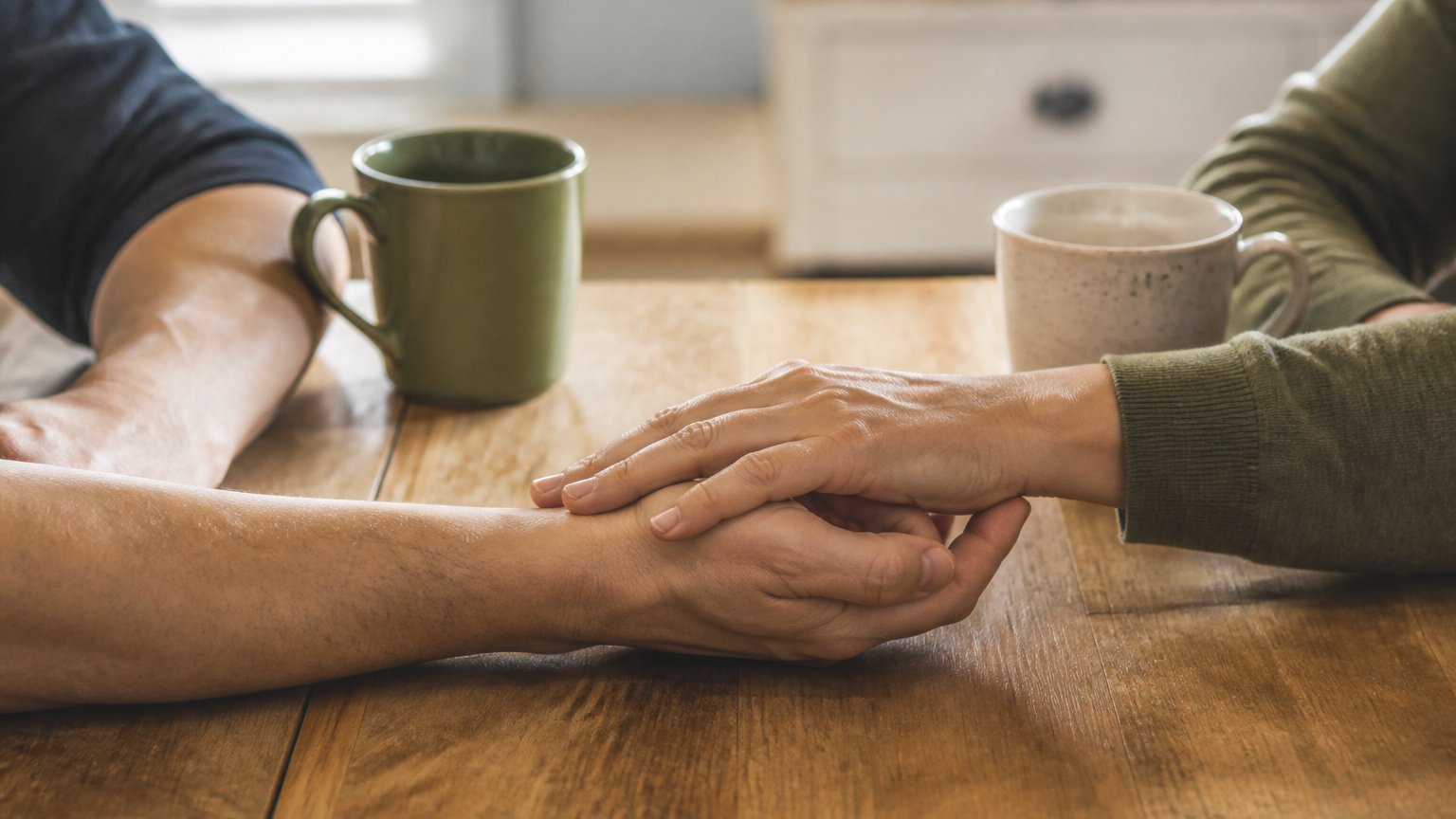
Here's another way to look at it. The single best thing you can do for a relationship with an avoidant partner is to stay a whole person inside it. Keep your friendships alive, protect your hobbies, chase your own goals, and hold onto the parts of your week that have nothing to do with them. This is not a strategy to make them jealous. It is genuine self-care that also happens to lower the pressure in the relationship.
When your happiness does not hinge on their every text, two good things happen. You feel steadier, and your partner senses that closeness with you will not swallow their independence. That is especially important if you lean anxious yourself, because a full life gives your nervous system somewhere to land instead of hovering over your phone. In my experience, the people who thrive in avoidant attachment style dating are the ones who never fully outsourced their sense of self to the relationship.
How do you set healthy boundaries with an avoidant partner?
Respecting someone's need for space does not mean accepting being ignored. There is a real line between healthy autonomy and emotional neglect. Healthy autonomy still includes communication, warmth when you reconnect, and responsiveness to the things that matter to you. Persistent stonewalling, chronic unavailability, and refusing to ever discuss the relationship sit on the other side of that line.
Boundaries with an avoidant partner work best when they are calm and clear, not threats. Try something like, "I am happy to give you space, and I also need us to talk about this by the weekend." You are naming what you can offer and what you need in the same breath. Here's where it gets interesting: a securely stated boundary is often less scary to an avoidant person than a flood of unspoken anxiety, because it is predictable. Boundaries also protect you. They are how you make sure that giving space does not slide into abandoning your own needs.
How do you know when dating an avoidant isn't working?
I want to be honest with you, because not every relationship is meant to be saved by patience. Understanding attachment explains behavior, but it never obligates you to tolerate feeling chronically alone. Growth in attachment is possible, and it usually requires the avoidant partner to actually want it and to do their own work over time.
These days I tell people to watch for a few signals. Are your reasonable needs consistently dismissed rather than met partway? Do calm, well-timed conversations still get shut down every single time? After months of your steadiness, is there any movement toward closeness, or only more distance? Is the relationship costing you your friendships, your confidence, or your sense of self? If the honest answers point one direction, that is important information. Wanting a partner who can meet you emotionally is not needy. It is healthy, and you are allowed to want it.
How can a love advisor help when you're dating an avoidant partner?
When you are close to a situation like this, it is genuinely hard to see it clearly. That is where a caring outside perspective can help. Talking with one of the love and relationship advisors at Psychic Source can give you a calm space to sort through the push and pull, name the patterns you keep circling, and feel encouraged during a rough patch or the early uncertainty of dating. Many people tell me the biggest gift is simply steadiness, a reminder to stay grounded in their own worth instead of chasing reassurance.
A reading like this is for adults 18 and over, and it is meant as insight, perspective, and support for your own reflection and growth. It is not a diagnosis and not a replacement for therapy or professional care. If you are carrying something heavy, a licensed mental-health professional is the right support. As one more source of clarity and encouragement while you decide what you need, though, a compassionate advisor can help you feel less alone in the middle of a confusing dynamic.
Questions I Get Asked Most
Can an avoidant partner fall deeply in love?
Yes. Avoidant people are fully capable of loving deeply. The old idea that they are cold or incapable of attachment is a pop-psychology myth. What differs is how they show and manage those feelings. They often express care through actions and reliability rather than emotional talk, and they may need more space to feel safe with closeness. With patience, safety, and their own willingness to grow, avoidant partners can build warm, committed relationships.
Should I give an avoidant partner space or reach out?
In most moments of withdrawal, giving space works better than reaching out harder. Chasing tends to read as pressure and pushes an avoidant partner further away. Let them have their solo time, stay warm rather than punishing, and welcome them when they return. That said, space is not silence forever. It is fine to gently name a need, such as asking for a call later in the week, once things have settled and the pressure has dropped.
Why does my avoidant partner pull away when things get close?
Closeness can feel threatening to someone whose nervous system learned early that depending on others was risky. As intimacy grows, their system reaches for distance to regain a sense of control and safety. This is called a deactivating strategy, and it often kicks in right after a warm, connected moment. It is a reflex about their own comfort with vulnerability, not a rejection of you or a sign that they care less than you do.
Can two people change an avoidant attachment pattern?
Attachment styles can shift toward security over time, but not overnight and not through one partner's effort alone. Consistent safety, low-pressure communication, and honest self-awareness all help. The key is that the avoidant partner has to want to grow and be willing to do their own work. Expecting a fast, complete transformation usually leads to frustration. Real change is gradual, and it works best when both people take responsibility for their own patterns and needs.
Here's what matters most
Here's what matters most: dating an avoidant partner asks you to hold two truths at once. Their distance is rarely about your worth, and your needs still matter completely. When you stop chasing, communicate calmly, respect their autonomy, and keep your own life full, you give the relationship its best possible chance and you protect yourself either way. People really can move toward security, and warmth grows when it feels safe rather than demanded. Stay grounded in who you are, keep your standards clear, and trust that a love that meets you is worth holding out for.
