
Anxious Preoccupied Attachment Style: The Deeper Profile
Date 10/7/2026
Anxious preoccupied attachment is an adult attachment style marked by a deep wish for closeness paired with a persistent fear of being abandoned or rejected. People with this pattern often seek frequent reassurance, read closely into a partner's moods and messages, and struggle to feel settled even when a relationship is going well. It reflects a negative view of the self alongside a positive view of others, and it comes from a well-known model of adult attachment. The pattern shapes how someone loves, worries, hopes, and reaches for connection.
If you have ever refreshed a chat thread waiting for a reply, replayed a partner's tone in your head for hours, or felt panic rise the moment someone you love seemed a little distant, this pattern may feel deeply familiar. I want to walk you through it with warmth and without labels that make you feel broken. Anxious preoccupied attachment is not a flaw in your character. It is a learned way of staying close to the people who matter most, and it can soften over time. In the sections below I will cover where the term comes from, how it forms, what it feels like from the inside, how it shows up in dating and long relationships, and the honest, hopeful path toward feeling more secure.
What is anxious preoccupied attachment?
So what is anxious preoccupied attachment in plain terms? It is one of the recognized adult attachment styles, and it describes a person who craves intimacy and closeness yet lives with a background hum of worry that the connection could slip away. The desire for love is genuine and strong. The fear that runs alongside it is just as strong, and the two pull against each other. That is why someone with this style can feel wonderful and worried in the very same relationship.
This is an attachment style, not a clinical disorder or a diagnosis. It is a pattern of relating that most people can recognize in themselves to some degree. Some carry it lightly and some carry it heavily, and both are simply human. Understanding it as a style, rather than as something wrong with you, is the first gentle shift toward change.
Where does the word "preoccupied" come from?
The word "preoccupied" has a specific origin. In 1991, researchers Kim Bartholomew and Leonard Horowitz proposed a four-category model of adult attachment. They built on the foundation laid by John Bowlby, who first described attachment, and Mary Ainsworth, who identified how infants respond to caregivers. Bartholomew and Horowitz took those ideas and applied them to how grown adults love and depend on one another.
Their model sorts people using two questions. How do you view yourself, positively or negatively? And how do you view other people, positively or negatively? Those two dimensions combine into four categories. The preoccupied category is the one that corresponds to the anxious pattern. Here is how the whole model lays out, which makes the preoccupied style easier to place next to its neighbors.
| Attachment style | View of self | View of others | What it tends to look like |
|---|---|---|---|
| Secure | Positive | Positive | Comfortable with closeness and with space, trusts fairly easily |
| Preoccupied | Negative | Positive | Craves closeness, seeks reassurance, fears being left |
| Dismissing | Positive | Negative | Values independence, keeps emotional distance |
| Fearful | Negative | Negative | Wants closeness but also fears and distrusts it |
So preoccupied attachment style sits in a clear spot. You look up to others and want them close, while quietly doubting your own worth. That specific mix is what gives the pattern its flavor.
What does "negative self, positive other" actually mean?
This phrase is the heart of preoccupied attachment, so it is worth unpacking gently. A positive view of others means you tend to see partners, friends, and love interests as valuable, capable, and desirable. You give people the benefit of the doubt and you place real weight on their opinion of you. A negative view of the self means that, underneath, you are not fully convinced you are enough on your own.
When those two beliefs sit together, a particular logic takes hold. If other people are wonderful and you are not sure you measure up, then their approval starts to feel like proof of your worth. Closeness becomes the place you go to feel okay about yourself. That is why an anxious preoccupied person can pour so much energy into a relationship. The relationship is not only about love. It is also quietly carrying your sense of being valuable, which is a heavy job for any bond to hold.
How does anxious preoccupied attachment form?
No one chooses this pattern. It usually grows out of early caregiving that was inconsistent rather than cruel. Picture a child whose caregiver was warm and attentive on some days and distracted, overwhelmed, or unavailable on others. The love was real, but it was unpredictable. The child could not count on comfort arriving when it was needed, and could not always tell which version of the caregiver would show up.
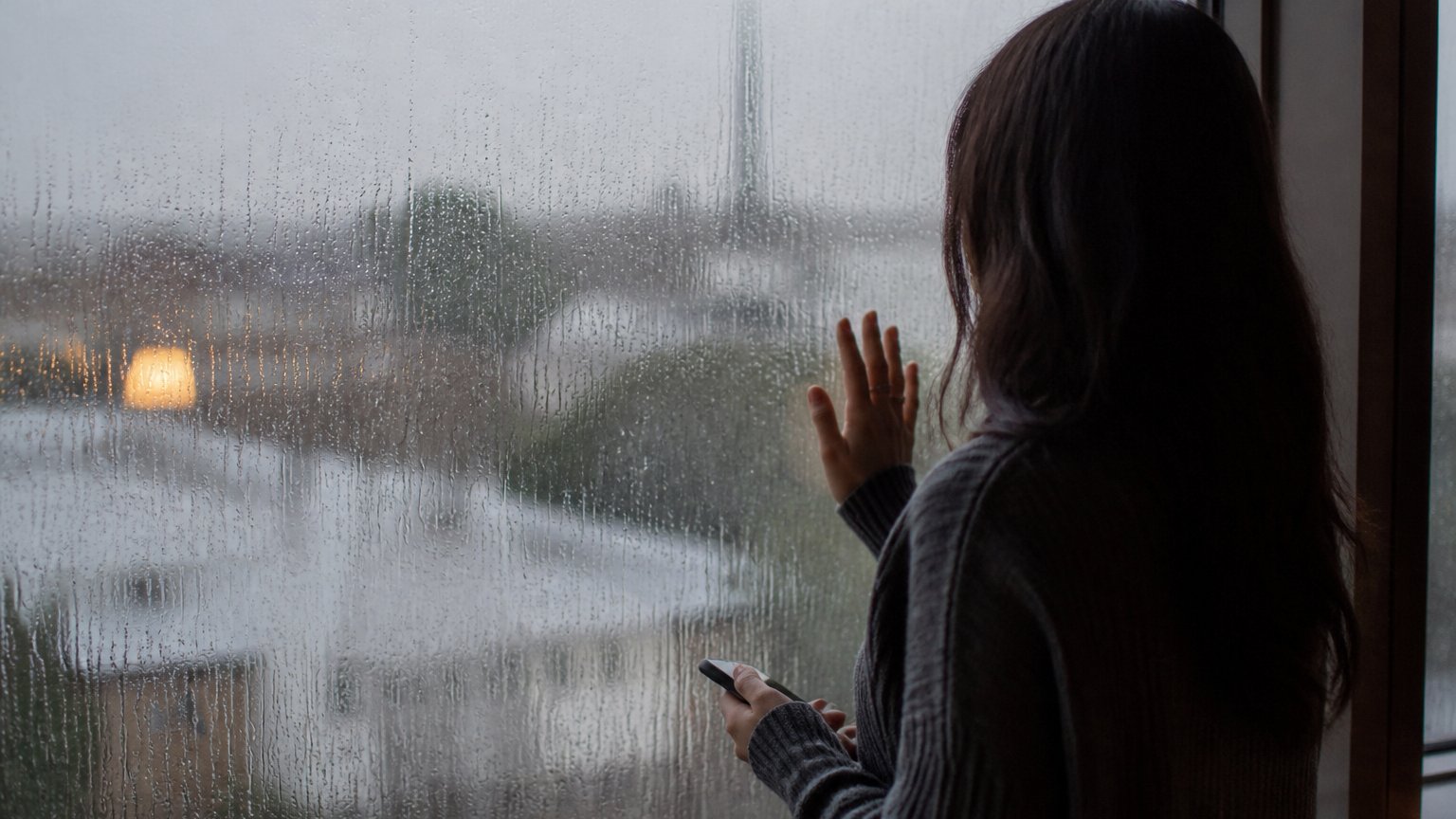
A clever little nervous system adapts to that uncertainty. If closeness comes and goes without warning, the child learns to stay tuned in at all times, to read faces closely, and to turn up their distress signals so that a busy caregiver notices and responds. Amplifying need becomes a smart survival strategy. The trouble is that the strategy does not switch off in adulthood. The grown person keeps scanning for signs of distance and keeps reaching hard for reassurance, because that is what once kept love within reach. Anxious preoccupied attachment is, in a real sense, an old solution still running long after the original problem has passed.
What does the inner experience feel like?
From the outside, this pattern is often described by behaviors. From the inside, it is mostly a feeling. There is a chronic, low fear that the people you love could leave, even when nothing has actually gone wrong. When a partner is warm, you may feel wonderful. When a partner is quiet, tired, or simply busy, your mind can leap to worst-case stories with startling speed.
Reassurance helps, but often only briefly. Someone can tell you they love you, and you may believe it in the moment and then feel the doubt creep back an hour later. There is a lot of rumination, replaying conversations and searching for hidden meaning. There is hypervigilance to small cues, a shift in tone, a slower reply, a different word choice. It can be exhausting, and it is important to say that this inner experience is not drama or weakness. It is a wired-in sensitivity doing exactly what it was trained to do.
How does anxious preoccupied attachment show up in relationships?
In dating and long relationships, the anxious preoccupied pattern tends to produce a recognizable set of behaviors. Attachment researchers call some of these protest behaviors or activating strategies, meaning the things we do to pull a partner back close when we sense distance. None of them make you a bad partner. They are attempts to feel safe.
- A strong, ongoing need for reassurance and closeness
- Overanalyzing texts, tone, and timing, and reading heavily into small cues
- Fear of abandonment that can surface even in a good relationship
- Jealousy or possessiveness when closeness feels threatened
- Difficulty being alone or sitting with space between contact
- Testing a partner, or acting distant to see if they will chase
- Merging with a partner and losing track of your own needs and friends
- Difficulty setting boundaries, and putting a partner's needs first by default
- Heightened sensitivity to a partner's moods, so their bad day becomes your crisis
- Trouble trusting that love will stay, even after it is proven again and again
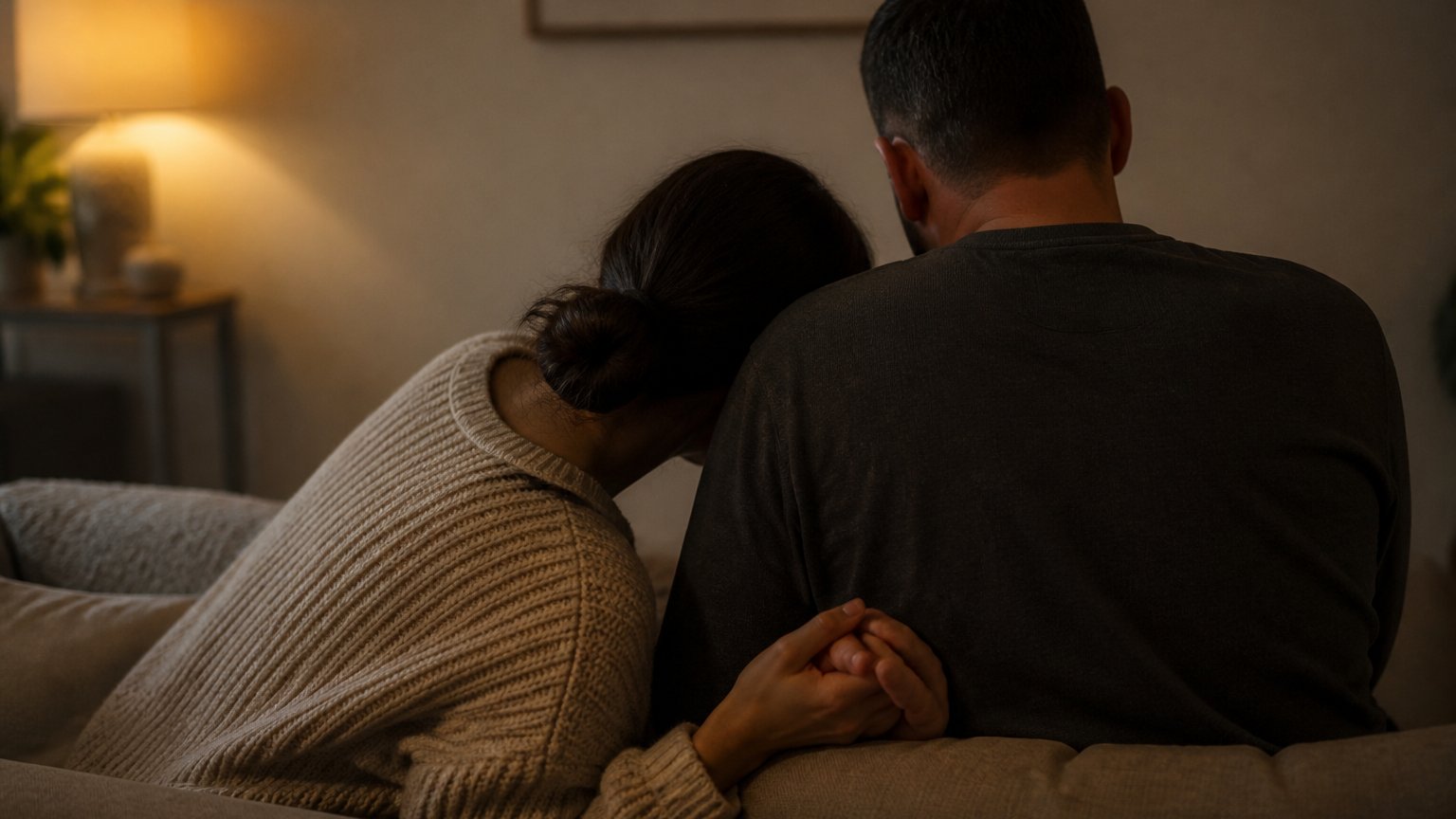
If you saw yourself in several of those, take a breath. Recognition is not a verdict. It is information, and information is what makes change possible.
Is anxious preoccupied attachment the same as anxious attachment?
This is one of the most common points of confusion, so let me make it simple. For everyday purposes, anxious attachment and anxious preoccupied attachment describe the same pattern. The difference is which model you are using. In the four-category model from Bartholomew and Horowitz, "preoccupied" is the formal label. In casual conversation and in a lot of popular writing, people just say "anxious." You may also see it written as anxious/preoccupied attachment, with a slash, to show that the two names point at one style.
There is also a two-dimension model that measures attachment along a scale of anxiety and a scale of avoidance. In that framework, the anxious/preoccupied person maps to high anxiety and low avoidance. High anxiety means the worry about abandonment runs strong. Low avoidance means you lean toward closeness rather than away from it. So whether someone says anxious attachment, preoccupied attachment, or anxious preoccupied attachment, they are almost always describing the same inner world.
What are the strengths of this attachment style?
It would be unfair to describe this pattern as only a set of struggles, because it comes with genuine gifts. People with an anxious preoccupied style are often deeply attentive partners. Because you read others closely, you tend to notice when someone you love is off, and you show up. You are frequently warm, loyal, and generous with affection.
Your emotional attunement can be a real asset in a relationship. You are usually willing to talk about feelings, to work on the connection, and to invest. Many secure and content couples include a former anxious partner who kept their tender attentiveness while letting go of the panic. The goal of growth is not to erase your sensitivity. It is to keep the warmth and set down the fear.
Can you move from preoccupied toward secure?
Yes, and this is the part I most want you to hear. Attachment styles are not fixed for life. Researchers describe something called earned security, which is exactly what it sounds like. A person who did not start out secure can build security through experience, effort, and often relationships that prove steady over time. You are not locked into the pattern you learned as a child.
The path tends to run through a few areas. The central one is building a more positive view of yourself, since the negative self-view is the root of the pattern. That means practicing the belief that you are worthy whether or not a particular person approves of you. Alongside that, self-soothing and emotional regulation skills help, so that a wave of worry does not automatically become a text you later regret. Learning to name your needs clearly, instead of testing or protesting, changes how partners can respond to you. Some people find real help in attachment-based therapy, Emotionally Focused Therapy, EMDR, or Cognitive Behavioral Therapy, and choosing to work with a professional is a strong and healthy step, not a sign of failure. Change is usually slow and uneven, and it is completely possible.
How can a love or relationship advisor help you feel steadier?
Growth does not have to happen in isolation, and sometimes a caring outside perspective is exactly what helps the fog lift. When you live with an anxious preoccupied pattern, your own mind is a busy, worried place, and it can be hard to tell a real problem from an old fear wearing a new face. Talking it through with someone who listens closely can bring a surprising amount of calm and clarity.
A compassionate love or relationship advisor can offer reassurance in a rough patch, help you see the pattern you keep repeating, and encourage you while you practice trusting yourself. If you want that kind of grounded, judgment-free perspective, the advisors at Psychic Source love psychics can offer insight and support as you explore your relationship patterns and your path toward feeling more secure. Think of a reading as a moment of reflection and encouragement for your own self-growth, meant for adults 18 and older. It is guidance and perspective, not a replacement for therapy or professional mental-health care, and the healthiest approach uses it alongside the inner work rather than in place of it.
Frequently asked questions
What is anxious preoccupied attachment?
Anxious preoccupied attachment is an adult attachment style defined by a strong desire for closeness combined with a persistent fear of abandonment. People with this style tend to seek frequent reassurance, watch a partner's moods and messages closely, and struggle to feel settled even when a relationship is stable. It reflects a positive view of others and a more negative view of the self. It is an attachment style, not a clinical disorder or a diagnosis.
Is preoccupied attachment the same as anxious attachment?
For most purposes, yes. "Preoccupied" is the formal label used in the four-category adult attachment model created by Bartholomew and Horowitz, while "anxious" is the everyday word many people use for the same pattern. You may also see it written as anxious/preoccupied attachment. In a two-dimension model of anxiety and avoidance, this style maps to high anxiety and low avoidance, meaning strong worry about abandonment and a pull toward closeness rather than distance.
What causes anxious preoccupied attachment?
It usually develops from inconsistent caregiving in childhood, where a caregiver was loving at some moments and unavailable at others. Because comfort could not be reliably predicted, the child learned to stay highly attentive and to amplify distress so that care would arrive. That adaptation made sense at the time. In adulthood it can continue as constant scanning for signs of distance and a strong reach for reassurance, long after the original circumstances have changed.
Can an anxious preoccupied person become secure?
Yes. Attachment styles can shift over time, and researchers describe earned security, where someone who did not start out secure builds it through experience and effort. Helpful steps include strengthening a positive view of yourself, practicing self-soothing, learning to name your needs clearly, and building steady relationships. Some people also benefit from attachment-based therapy or other professional support. Change tends to be gradual, and moving toward a more secure attachment style is genuinely possible.
The takeaway on anxious preoccupied attachment
Here's what matters most. Anxious preoccupied attachment is the formal, deeper name for the anxious pattern, and it describes a loving heart that learned early to hold on tight. Your longing for closeness is not too much, and your fear is not a character flaw. It is an old strategy that once kept love near. When you understand where it comes from, notice how it shows up, and practice building a kinder view of yourself, the fear can loosen while the warmth stays. Security is not something you were denied forever. It is something you can grow toward, one steadier day at a time.
