
Anxious Attachment Style: Signs, Causes, and the Path to Security
Date 10/2/2026
Anxious attachment style, sometimes called anxious-preoccupied attachment, is an insecure attachment pattern marked by a deep wish for closeness paired with a strong fear of abandonment. People with it often crave reassurance, read closely into a partner's moods, and feel uneasy when a relationship seems uncertain. It tends to form in childhood when care was loving but unpredictable. It is a learned pattern shaped by experience, not a clinical disorder, and it can shift toward security over time with awareness and steadier relationships.
If you have ever refreshed a text thread for the tenth time, sure the silence meant something was wrong, this one might feel personal. I write about relationship patterns for a living, and anxious attachment is the style readers ask me about most. So let's walk through what it actually is, where it comes from, how it shows up when you date and love someone, and, the part I care about, how it softens. You are not broken. You learned to love this way for a reason.
What is anxious attachment, really?
Attachment theory started with John Bowlby and grew through Mary Ainsworth's work in the 1960s and 1970s. The short version: the way our earliest caregivers responded to us teaches us what to expect from closeness later. Ainsworth's famous "Strange Situation" study watched how babies reacted when a parent left the room and came back. Some settled quickly. Others got very distressed and then stayed hard to soothe even after the parent returned. That second pattern, distress plus difficulty being comforted, is the seed of what we call anxious attachment in adults.
The anxious attachment meaning, in plain terms, is this. You want intimacy badly, and you worry it could vanish at any moment. Researchers often map adult attachment on two lines: how much anxiety you feel about a partner's availability, and how much you avoid closeness. An anxious attachment style sits high on the anxiety line and low on avoidance. You lean in. You reach. You just rarely feel fully safe once you get there.
What causes anxious attachment?
The most common answer to what causes anxious attachment is inconsistent caregiving. Picture a parent who was warm and attentive on Monday, then distracted, overwhelmed, or unavailable on Tuesday, with no pattern the child could predict. A small kid can't change the parent. What they can do is turn up the volume on their own distress, cry louder, cling harder, stay close, because sometimes that got a response. Over years, that strategy becomes a nervous system default: to keep love, stay alert and stay near.
Caregiving isn't the whole story, though. A few other threads weave in. Temperament matters, since some babies are simply more sensitive to separation from birth. Attunement matters too, meaning how often a caregiver read and met the child's emotional signals. And later life can leave its mark. A painful breakup, a betrayal, a loss, any of these can nudge someone toward anxiety in relationships even if childhood was fairly steady. Attachment is a pattern you carry, not a sentence you serve.
Is "anxious attachment disorder" a real diagnosis?
People search for "anxious attachment disorder" constantly, so it is worth clearing up. There is no such clinical diagnosis. Anxious attachment is a style, a way of relating, not a condition in any diagnostic manual. That distinction matters. It keeps you from treating a learned habit as a permanent defect.
Reactive attachment disorder is a separate, genuinely clinical thing that shows up in early childhood after serious neglect, and it looks nothing like an adult who texts too much when they're nervous. If you have a knot in your stomach because you Googled the phrase and worried something was medically wrong with you, breathe. This is educational, not a diagnosis. Anxious attachment describes a common, workable pattern that a lot of thoughtful, loving people share.
How does anxious attachment show up in dating and relationships?
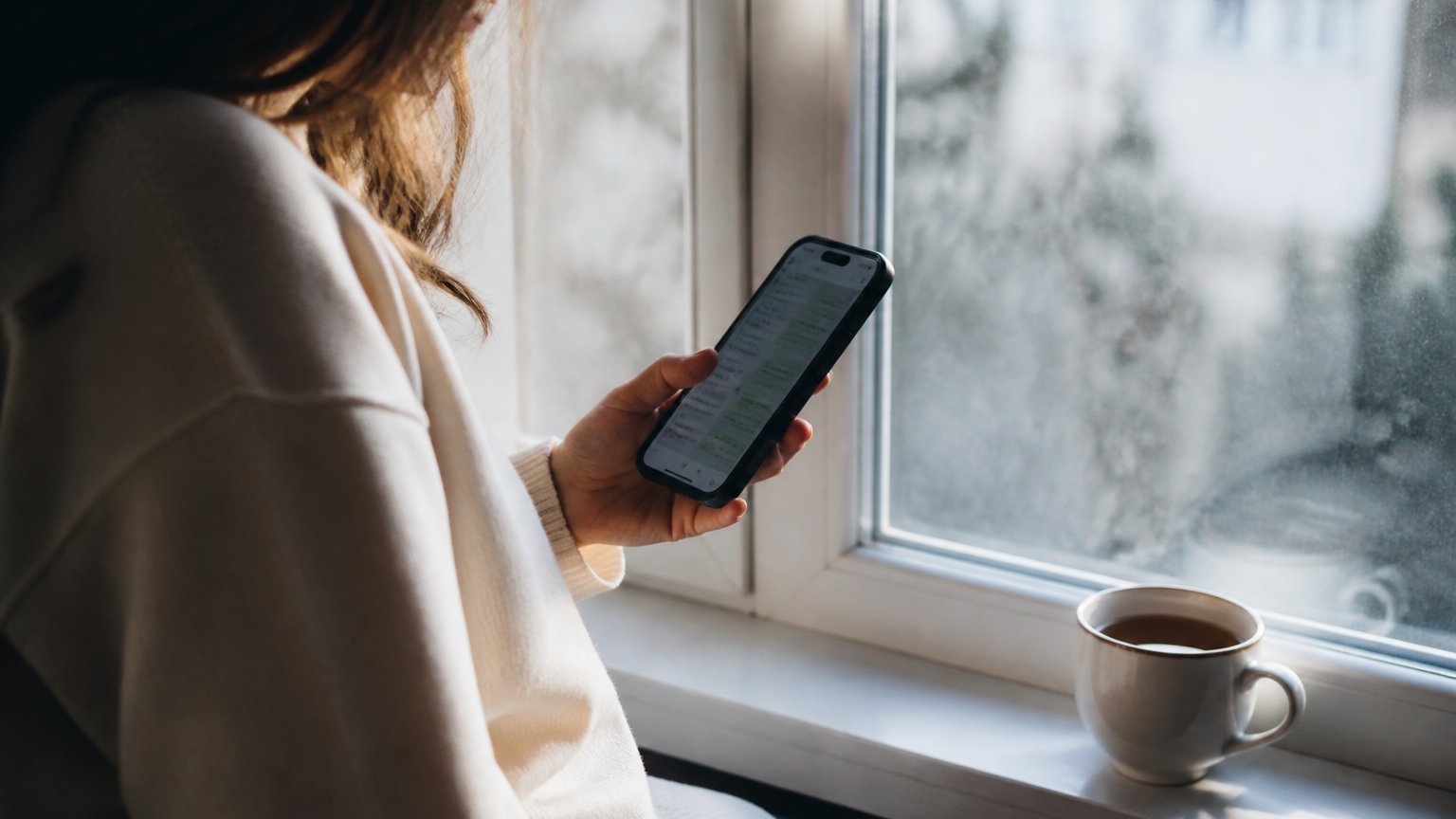
Here is where the anxiety attachment style gets loud. Dating asks you to sit with uncertainty, and uncertainty is the exact thing an anxious system hates. So early on you might feel a rush of intensity, then a crash of doubt the moment a partner takes six hours to reply. Fear of abandonment runs underneath most of it. Even in a good relationship, part of you scans for the exit signs.
A few things tend to follow. You seek reassurance often, needing to hear that you're loved, that things are fine, that they still want you. You go hypervigilant, reading tone, timing, and word choice for hidden meaning. A short "ok" can ruin an afternoon. You may struggle to feel settled even when nothing is actually wrong, because the calm itself feels suspicious. None of this means you're needy or too much. It means your alarm system is sensitive and it's doing its job a little too well.
What is protest behavior?
When someone with anxious attachment senses distance, the body often pushes to close the gap right now. Relationship writers call these moves protest behaviors, or activating strategies. The goal underneath is simple and human: reconnect, feel safe again. The methods just tend to backfire.
Protest behavior can look like blowing up someone's phone with calls and texts, keeping score of who reached out last, or trying to make a partner jealous to test whether they still care. It can also flip inward. Some people go quiet and withdraw, hoping the partner will notice and chase. Ever pulled away specifically so someone would ask what's wrong? That's a protest move too. Recognizing these for what they are, distress signals rather than character flaws, is one of the first real steps toward change.
What are the signs of anxious attachment?
No single sign confirms an attachment style. Patterns do. If you read the list below and recognize yourself in a cluster of these, especially in your closest relationships, that's a strong hint. Here are the signs that come up most.
| Sign | What it can feel or look like |
|---|---|
| Fear of abandonment | A background hum of worry that a partner will leave or lose interest |
| Need for reassurance | Wanting frequent confirmation of love, commitment, or that things are okay |
| Overanalyzing | Replaying texts, tone, and small moments for hidden signs of trouble |
| Difficulty trusting | Struggling to believe a partner's care is steady and here to stay |
| Low self-worth in love | Feeling you have to earn affection or that you're not quite enough |
| Jealousy | Quick spikes of threat when a partner's attention goes elsewhere |
| People-pleasing | Shrinking your own needs to keep the peace and stay chosen |
| Trouble being alone | Discomfort with solitude or distance, even brief and normal kinds |
| Emotional dependency | Mood rising and falling with the state of the relationship |
| Sensitivity to criticism | Small corrections landing as rejection or proof you'll be left |
Notice something. Every one of these grows out of caring deeply and wanting connection to last. The pattern is uncomfortable, sure. Cold it is not.
Does anxious attachment look different in men?
Anxious attachment doesn't pick a gender. It shows up in men just as often as anyone else. But the way it presents can differ, partly because many men grow up hearing that needing reassurance is weak. So the fear of abandonment gets a disguise.
Anxious attachment style in men can look like irritability instead of open worry, or controlling questions about where a partner has been rather than a plain "I felt scared you'd pull away." Some men channel it into overworking to feel worthy, or into big romantic gestures that quietly ask "please don't go." Others get quiet and moody when they feel distance, then can't quite name why. The underlying engine is identical to anyone else's: I want to be close, and I'm afraid I'll lose you. Naming it out loud, awkward as that is, tends to work better than any workaround.
Are there strengths in an anxious attachment style?
Yes, and this part gets skipped too often. The same wiring that makes you scan for trouble also makes you extraordinarily attuned to the people you love. You notice when a friend's laugh is off. You remember the small things. Partners often describe anxiously attached people as warm, present, and fiercely loyal.
That attentiveness is a gift when it's pointed well. The work isn't to erase your sensitivity. It's to stop letting fear drive it. When you feel safe, that same radar becomes deep empathy and a real talent for closeness. Plenty of the most caring partners I've come across started out anxious. They didn't lose the warmth. They just learned to trust it.
Can you move from anxious to secure?
This is the hopeful part, and it's true. Attachment styles are patterns, and patterns can change. Psychologists sometimes call the goal "earned security," which means building a felt sense of safety that your childhood didn't hand you. It takes time. It is very doable.
A few things tend to help. Learning to self-soothe comes first, so that when the panic spikes you can steady yourself instead of reaching for immediate reassurance. That might be naming the feeling out loud, slowing your breath, or reminding yourself that a slow reply usually means a busy person, not a leaving one. Choosing steadier partners matters enormously too. A calm, consistent partner who answers your bids for closeness gives your nervous system new evidence that love can stay. Honest communication helps as well: saying "I'm feeling anxious and I need a little reassurance" instead of acting the feeling out sideways. And understanding your own history takes the shame out of the pattern. You didn't choose this. You can, slowly, choose your way through it.
How can a love advisor help you find reassurance and perspective?
Sometimes you need a caring outside voice, someone who isn't tangled in the situation and can help you see your own patterns more clearly. That's where a compassionate reading can fit. A gifted love or relationship advisor from Psychic Source's love psychics can offer perspective on the cycle you keep landing in, gentle encouragement during a rough patch or the early nervous days of dating, and a space to talk through the fear of abandonment without judgment.
A reading won't rewrite your attachment style overnight, and it isn't therapy or a diagnosis. Think of it as insight and support for self-reflection, a way to feel a little less alone with the questions and a little clearer on what you actually want from love. Readings are for adults 18 and older, meant for guidance and personal growth, not a replacement for care from a licensed professional. Used that way, an outside perspective can be a real comfort while you do the slower work of building security.
Frequently asked questions about anxious attachment
What is anxious attachment in simple terms?
Anxious attachment is an insecure attachment style where you deeply want closeness but constantly fear a partner will pull away or leave. It usually forms in childhood when caregiving was loving but unpredictable, so you learned to stay alert and seek reassurance to hold onto connection. In adult relationships it can show up as worry, overanalyzing, and a strong need to feel wanted. It is a learned pattern, not a flaw, and it can change.
Is anxious attachment a mental illness?
No. Anxious attachment is a relationship pattern, not a mental illness or a formal diagnosis. Despite the popular search term "anxious attachment disorder," it appears in no diagnostic manual. It describes a common way of relating that many caring people share. It differs from reactive attachment disorder, a genuine clinical condition in early childhood. If your anxiety in relationships feels overwhelming, a licensed mental-health professional can help, but the style itself is workable and can shift toward security.
What triggers anxious attachment in a relationship?
Common triggers are anything that reads as distance or uncertainty. A delayed reply, a change in a partner's tone, less physical affection, a canceled plan, or a partner needing alone time can all set off the alarm. The fear underneath is that the connection is slipping. When triggered, someone with anxious attachment may seek reassurance, overanalyze, or act out protest behaviors to close the gap. Learning to name the trigger and self-soothe first tends to calm the cycle.
Can two anxious people be in a healthy relationship?
They can, though it takes work. Two anxiously attached partners often understand each other's need for closeness, which is a real advantage. The risk is that both get triggered at once and feed each other's fears. Healthy patterns come from open communication about needs, learning to self-soothe rather than only seeking reassurance, and building trust through consistency. Many couples grow toward earned security together, especially when each person owns their own pattern instead of blaming the other.
Where this leaves you
Here's what matters most. Anxious attachment is a pattern you learned early because it helped you hold onto love, and patterns can be relearned. The fear you feel is real, and so is your capacity for warmth, loyalty, and deep connection. With self-soothing, steadier partners, honest words, and some patience with yourself, you can build the sense of safety that didn't come standard. You don't have to love from a place of fear forever. Security isn't a personality you're born with. It's something you can grow into, one calmer relationship at a time.
